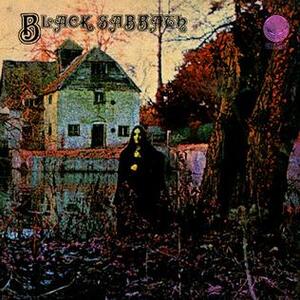
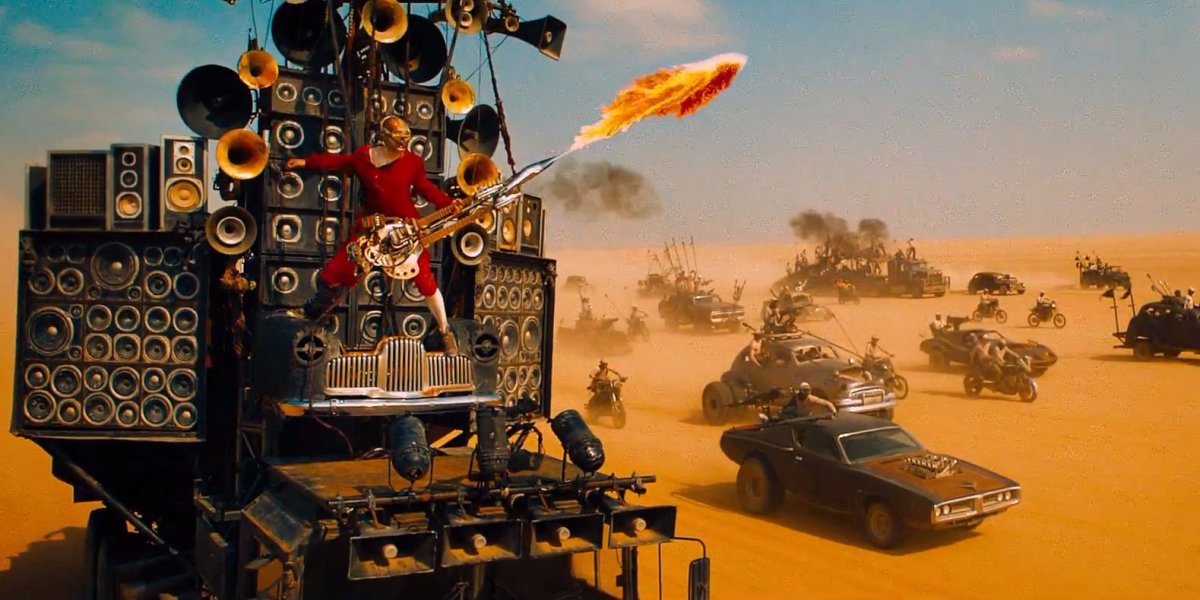
More reviews! A pretty nice haul this time—not a single dud among the bunch. It's Oscar week, but given that I haven't seen a good portion of the nominees (drive-by opinion: Mad Max should win Best Picture), I can't comment much on that. Still, not to let the occasion pass me by, I've reviewed the very first Best Picture winner, if anyone's interested. Let me know if you have any Oscar preferences yourselves. Let me know if you have any opinions on any of these movies or albums. Let me know if you feel anything. At all. Human connection is so fleeting (sorry, y'all. Watched a lot of foreign malaise this week).
Movies
Blue Is the Warmest Color (La Vie d'Adèle) (2013)
If you've been reading my movie thoughts for any length of time, you'll know that it's rare for a three-hour movie to convince me that it couldn't have been improved by about forty minutes of cuts, but Blue Is the Warmest Color comes close. Scenes feel spacious in a way that allows for everyday actions to culminate over ten minutes or more until they suddenly crest in moments of profound character insight, and that wouldn't have been possible if the movie had been a more traditional 90 minutes. The exceptions (and the reasons why this movie's only "close" to justifying its runtime) are the sex scenes, which are so artless, interminable, leering, and boring that they threaten to topple the whole undertaking. They're pretty bad. But the rest of the movie is pretty good. Grade: B+
Stalker (Сталкер) (1979)
Probably the biggest change in my movie-viewing temperament as I've grown older is a dwindling desire for movies to make sense. Enter Stalker: Russian, sci-fi, hushed, languidly paced, purposefully baffling—you've probably already figured out whether you should see yourself to the door. It's one of those films where it's unclear if this will come together on repeat viewings or if it's just plain nonsense, but I guess don't care which it is anymore. It's beautiful stuff in a very cock-eyed way, both bleak and whimsical: for example, the alternating color and sepia cinematography at once evokes a grim, grimy future and a twisted tribute to The Wizard of Oz. That's not even mentioning its beautiful, compassionate depiction of what it's like to be religious in the modern world, and man, if I'm not a sucker for that. Grade: A
Wings (1927)
So the first Best Picture winner is among the best, huh? Didn't see that coming. Silent comedy is much more within my wheelhouse than silent drama, so it's no surprise that my favorite part of the film is the extended section where the soldiers are on leave in Paris, which is very much the whimsical, bittersweet comedy you've always wanted to see in a WWI movie (complete with animated bubbles). But seriously, even the more straight-faced moments (and there are many—the Academy started its love affair with serious dramas of social import early) are great. The battle scenes, especially the final one, are impressively staged (and surprisingly violent; watch out for that tank, dude!), the acting is affecting, and perhaps most surprisingly, the central romance is sweet and believable. Grade: A-
* * *
Music
The Clash - Give 'Em Enough Rope (1978)
It's got nothing on the group's savage, quintessential debut, but that's like saying that lasagna isn't as good as spaghetti—what is? And anyway, what's the point of complaining when you're living in a world that has not one but two purely punk Clash records? There's just something so satisfying about hearing this band in full-on three-chords-and-a-sneer mode, a last hurrah of sorts before the genre blender of London Calling and Sandinista! There are a few missteps here and there (I'm sorry, but the only thing I hear when I listen to "English Civil War" is "The Ants Go Marching"), but that's alongside some of the band's most satisfying moments. Grade: A-
Randy Newman - Good Old Boys (1974)
One of the biggest pop culture shocks for someone (like me) of the Pixar generation is the realization that Randy Newman is a lot more like your cranky uncle than your cuddly grandpa. This is an album full of ferocious satires and sardonic character portraits, and it's lots of fun. Occasionally mean, but fun. Also, is that Buddy Garrity on the cover? Grade: B+
At this point, nothing more than the musings of a restless English teacher on the pop culture he experiences.
Sunday, February 28, 2016
Saturday, February 20, 2016
Whatcha Doing? Mini-Reviews for Feb. 15 - 21, 2016
Another post of mini-reviews for the pop culture I've run into over the past several days! It's Week Two, and I'm having fun with this project. As always, let me know down in the comments, on Facebook, in person, wherever, what you think about any or all of this; I'm always up for some friendly discussions about movies, books, TV, and music! (Note: I'm publishing this a day early because I already know I'm not going to get to anything else tomorrow. Normally my plan is to release these posts on Sunday afternoons.)
Movies
Blazing Saddles (1974)
Maybe it's time to admit that I just don't like Mel Brooks all that much. But wait! I like The Producers and Young Frankenstein quite a bit! Alas, no such luck with Blazing Saddles, though. The central satire here is pretty great—land-grabbers try to evacuate an all-white town by appointing a black sheriff; I'm all for revising the western to acknowledge the racism of both 19th century America and classical Hollywood. But the execution leaves a lot to be desired. It's not just the casual '70s-style meanness (we probably could have gone without a mentally handicapped villain and at least a few of those "faggot" jokes); it's how that's coupled to a sloppiness approaching the lazy winks of post-prime Brooks like Spaceballs. At least we still get that shot of Alex Karras KO'ing the horse. Grade: C+
The Imposter (2012)
Riveting documentary about the craziest scam/case of mistaken identity you've ever heard. I know it's real life, but seriously, The Imposter is probably best experienced slack-jawed and shocked. If it weren't for the leaden re-enactments, this film would be absolutely top-shelf. Look, I know Errol Morris made re-enactments cool and all that, but I'm really not a fan here, especially when the re-enacted shots are used to as self-conscious and as literary effect as they are here. Looking at you, final shot. Grade: B+
Fantastic Planet (La Planète sauvage) (1973)
What I imagine would happen if the Borrowers dropped acid. To be clear, this is a good thing. The plot just kind of sits there (until it jumps to a conclusion in the rushed finale), but the real allures here are the avant-garde score (compliments of Alain Goraguer) and the surreal, inventive animation that fleshes out the flora and fauna of the titular planet. There are some truly delectable creatures created here. The whole thing is definitely one of those "mileage may vary" experiences, depending on your tolerance for post-'60s psychedelia, but I had a ball. Grade: A-
Assault on Precinct 13 (1976)
Even among its class—the '70s gritty urban crime thriller—this movie is remarkable for how stripped down it is. Honestly, it's more of an atmosphere than a full-on action film: by my count, there are somewhere around fifteen minutes of action spread out over the 90-minute runtime. The rest is mostly grim setup and spare (but precise) characterizations of our stiff-lipped heroes, which is all good fun but mighty meditative for a movie that's acquired the reputation as one of the greatest action films ever. Typical of John Carpenter, there's a great score and some gorgeous nighttime cinematography, and the whole thing is put together solidly, so to complain that it doesn't quite reach the heights of The Thing or Halloween seems a little unfair. But... well, I guess that's my complaint. Grade: B+
* * *
Books
David Foster Wallace - Brief Interviews with Hideous Men (1999)
After fully embracing my mid-20s-with-a-liberal-arts-degree masculinity last summer with Foster Wallace's Infinite Jest, I thought I'd go ahead and plunge into his short fiction. DFW's exceptionally clever, but that's leaving me cooler and cooler. After 1100 pages of IJ, you'd think I'd have already gotten this sorted out by now: what's so exciting about Wallace is his ability to riff on personalities. He's able to take just slightly left-of-center characters and the smallest of premises and play out all the fascinating permutations of thought that run through those characters' brains in the most riveting and human ways. So I'll take the Interviews, "On His Deathbed...," "The Depressed Person," "Forever Overhead." I'll say "no thanks" to the stories about writing stories. Grade: B+
* * *
Television
You're the Worst, Season 1 (2014)
The whole "terrible people struggle to cope with their flaws until they become sad enough to be sorta sympathetic" conceit has seen a lot of play recently, and I can't say that You're the Worst adds anything new to that formula other than a few fresh faces and a colorful (albeit improbably whitewashed? Non-Cali resident speaking here) east-L.A. setting. Still, the writing is sharp—at times scathingly, hilariously so—and that covers a multitude of banalities. Grade: B
Movies
Blazing Saddles (1974)
Maybe it's time to admit that I just don't like Mel Brooks all that much. But wait! I like The Producers and Young Frankenstein quite a bit! Alas, no such luck with Blazing Saddles, though. The central satire here is pretty great—land-grabbers try to evacuate an all-white town by appointing a black sheriff; I'm all for revising the western to acknowledge the racism of both 19th century America and classical Hollywood. But the execution leaves a lot to be desired. It's not just the casual '70s-style meanness (we probably could have gone without a mentally handicapped villain and at least a few of those "faggot" jokes); it's how that's coupled to a sloppiness approaching the lazy winks of post-prime Brooks like Spaceballs. At least we still get that shot of Alex Karras KO'ing the horse. Grade: C+
The Imposter (2012)
Riveting documentary about the craziest scam/case of mistaken identity you've ever heard. I know it's real life, but seriously, The Imposter is probably best experienced slack-jawed and shocked. If it weren't for the leaden re-enactments, this film would be absolutely top-shelf. Look, I know Errol Morris made re-enactments cool and all that, but I'm really not a fan here, especially when the re-enacted shots are used to as self-conscious and as literary effect as they are here. Looking at you, final shot. Grade: B+
Fantastic Planet (La Planète sauvage) (1973)
What I imagine would happen if the Borrowers dropped acid. To be clear, this is a good thing. The plot just kind of sits there (until it jumps to a conclusion in the rushed finale), but the real allures here are the avant-garde score (compliments of Alain Goraguer) and the surreal, inventive animation that fleshes out the flora and fauna of the titular planet. There are some truly delectable creatures created here. The whole thing is definitely one of those "mileage may vary" experiences, depending on your tolerance for post-'60s psychedelia, but I had a ball. Grade: A-
Assault on Precinct 13 (1976)
Even among its class—the '70s gritty urban crime thriller—this movie is remarkable for how stripped down it is. Honestly, it's more of an atmosphere than a full-on action film: by my count, there are somewhere around fifteen minutes of action spread out over the 90-minute runtime. The rest is mostly grim setup and spare (but precise) characterizations of our stiff-lipped heroes, which is all good fun but mighty meditative for a movie that's acquired the reputation as one of the greatest action films ever. Typical of John Carpenter, there's a great score and some gorgeous nighttime cinematography, and the whole thing is put together solidly, so to complain that it doesn't quite reach the heights of The Thing or Halloween seems a little unfair. But... well, I guess that's my complaint. Grade: B+
* * *
Books
David Foster Wallace - Brief Interviews with Hideous Men (1999)
After fully embracing my mid-20s-with-a-liberal-arts-degree masculinity last summer with Foster Wallace's Infinite Jest, I thought I'd go ahead and plunge into his short fiction. DFW's exceptionally clever, but that's leaving me cooler and cooler. After 1100 pages of IJ, you'd think I'd have already gotten this sorted out by now: what's so exciting about Wallace is his ability to riff on personalities. He's able to take just slightly left-of-center characters and the smallest of premises and play out all the fascinating permutations of thought that run through those characters' brains in the most riveting and human ways. So I'll take the Interviews, "On His Deathbed...," "The Depressed Person," "Forever Overhead." I'll say "no thanks" to the stories about writing stories. Grade: B+
* * *
Television
You're the Worst, Season 1 (2014)
The whole "terrible people struggle to cope with their flaws until they become sad enough to be sorta sympathetic" conceit has seen a lot of play recently, and I can't say that You're the Worst adds anything new to that formula other than a few fresh faces and a colorful (albeit improbably whitewashed? Non-Cali resident speaking here) east-L.A. setting. Still, the writing is sharp—at times scathingly, hilariously so—and that covers a multitude of banalities. Grade: B
Sunday, February 14, 2016
Whatcha Doing?: Mini-Reviews for Feb. 8 - 14, 2016
Hi, everybody. You know what I don't like? That I let this blog sit dormant for so long during the school semesters. So, an idea: I'm going to try to leave weekly posts with mini-reviews of the various pop culture that I've watched/listened to/read that week. I need to emphasize the word try, since it's altogether likely that I won't be able to keep this up. But let's hope for the best, shall we?
What I'll actually be reviewing will depend on what I end up getting to in a given week. The bulk of that's going to end up being movies, since movies are the culture that I interact with most consistently: they take at-most three hours a piece, and with stuff like Netflix and the library, they're easy to get in large quantities at little cost. Those reviews will probably be adaptations (or straight-up copy-paste affairs) of my blurbs from my Letterboxd account, where I usually log my watching. You're welcome to peruse that profile; what I'll be doing here is curating what I think are my most interesting encounters. As for the rest of the media, I'll still be reading books, listening to albums, watching TV, etc., but since those generally take me longer to process than a movie, they probably won't crop up as frequently. Case-in-point: this first week, which has four movie reviews, one album review, and nothing else.
Anyway, I don't anticipate any of these reviews being amazing or mind-blowing or life-changing. It's just my way of getting some writing done on this blog every week. Guess we'll see what happens. As always, please don't hesitate to share your opinions about anything here! Onward!
Movies
Sicario (2015)
It at first seems like the boring wannabe version of Zero Dark Thirty before becoming a subversion of the boring wannabe version of Zero Dark Thirty. Honestly, I probably need to give it another viewing--the last forty-ish minutes add so much interesting texture to the psychology and philosophy of the film that it might prompt a reevaluation of that opening 2/3. But for now, I'm calling this only 1/3 of a good film, though it's a darn good 1/3. Grade: B
Hail, Caesar! (2016)
The Coens' most religious film since A Serious Man, which is a very, very good thing. Although the ending makes an attempt at waving away the metaphysics as so much existential ephemera, there's such an emotional depth to Josh Brolin's lead performance (the best of his career, I'd say) that I'd say the overall take on religion is less the smart-alecky sneer you might expect and more of a melancholy "would that it were so simple." But don't come for the religion—it's really just one flavor to relish in what is also in turns a deft political farce, a hysterical screwball comedy, and an excited recreation of classical Hollywood fluff. It really is funny, I promise. Grade: A-
The Diary of a Teenage Girl (2015)
There are moments here that are some of the most well-observed in recent coming-of-age movie history. And then there are some moments that are absolutely horrifying—call me a prude, but I'm dubious of the premise that teen cocaine habits and a series of terrible hookups are so simply boiled down to stepping stones on the path to becoming a better person. Still, kudos on this film for the forthright, compassionate take on teenaged female sexuality, not to mention how Bel Powley delivers what is without a doubt one of the finest performances of 2015. So overall, I'll call it a win. Grade: B
The 36th Chamber of Shaolin (少林三十六房) (1978)
This movie is like 75 percent training montage, which means that it's at least 75 percent awesome. I'll admit to finding the opening act a little tedious, but once you get to Shaolin, it's all gravy. Plus, you can't argue too much with a film in which the villain meets his demise via headbutt to the groin. Grade: A-
* * *
Music
Savages - Adore Life (2016)
Outside of the vicious opener and best-in-show song "The Answer," the songwriting is not quite as punchy as this post-punk band's exciting debut. In return, though, the band is exploring some of the more interesting corners of their sound, delving deep into the noisier, even metal fringes that made their debut a bit more interesting than your garden-variety post-punk revival. This sophomore release is a slower, stranger, more meditative record, and that's cool. I like Siouxsie and the Banshees and Sunn O))) in about equal measure, meaning that I'm only familiar with one album of theirs apiece. Good stuff. Grade: B+
What I'll actually be reviewing will depend on what I end up getting to in a given week. The bulk of that's going to end up being movies, since movies are the culture that I interact with most consistently: they take at-most three hours a piece, and with stuff like Netflix and the library, they're easy to get in large quantities at little cost. Those reviews will probably be adaptations (or straight-up copy-paste affairs) of my blurbs from my Letterboxd account, where I usually log my watching. You're welcome to peruse that profile; what I'll be doing here is curating what I think are my most interesting encounters. As for the rest of the media, I'll still be reading books, listening to albums, watching TV, etc., but since those generally take me longer to process than a movie, they probably won't crop up as frequently. Case-in-point: this first week, which has four movie reviews, one album review, and nothing else.
Anyway, I don't anticipate any of these reviews being amazing or mind-blowing or life-changing. It's just my way of getting some writing done on this blog every week. Guess we'll see what happens. As always, please don't hesitate to share your opinions about anything here! Onward!
Movies
Sicario (2015)
It at first seems like the boring wannabe version of Zero Dark Thirty before becoming a subversion of the boring wannabe version of Zero Dark Thirty. Honestly, I probably need to give it another viewing--the last forty-ish minutes add so much interesting texture to the psychology and philosophy of the film that it might prompt a reevaluation of that opening 2/3. But for now, I'm calling this only 1/3 of a good film, though it's a darn good 1/3. Grade: B
Hail, Caesar! (2016)
The Coens' most religious film since A Serious Man, which is a very, very good thing. Although the ending makes an attempt at waving away the metaphysics as so much existential ephemera, there's such an emotional depth to Josh Brolin's lead performance (the best of his career, I'd say) that I'd say the overall take on religion is less the smart-alecky sneer you might expect and more of a melancholy "would that it were so simple." But don't come for the religion—it's really just one flavor to relish in what is also in turns a deft political farce, a hysterical screwball comedy, and an excited recreation of classical Hollywood fluff. It really is funny, I promise. Grade: A-
The Diary of a Teenage Girl (2015)
There are moments here that are some of the most well-observed in recent coming-of-age movie history. And then there are some moments that are absolutely horrifying—call me a prude, but I'm dubious of the premise that teen cocaine habits and a series of terrible hookups are so simply boiled down to stepping stones on the path to becoming a better person. Still, kudos on this film for the forthright, compassionate take on teenaged female sexuality, not to mention how Bel Powley delivers what is without a doubt one of the finest performances of 2015. So overall, I'll call it a win. Grade: B
The 36th Chamber of Shaolin (少林三十六房) (1978)
This movie is like 75 percent training montage, which means that it's at least 75 percent awesome. I'll admit to finding the opening act a little tedious, but once you get to Shaolin, it's all gravy. Plus, you can't argue too much with a film in which the villain meets his demise via headbutt to the groin. Grade: A-
* * *
Music
Savages - Adore Life (2016)
Outside of the vicious opener and best-in-show song "The Answer," the songwriting is not quite as punchy as this post-punk band's exciting debut. In return, though, the band is exploring some of the more interesting corners of their sound, delving deep into the noisier, even metal fringes that made their debut a bit more interesting than your garden-variety post-punk revival. This sophomore release is a slower, stranger, more meditative record, and that's cool. I like Siouxsie and the Banshees and Sunn O))) in about equal measure, meaning that I'm only familiar with one album of theirs apiece. Good stuff. Grade: B+
Monday, January 18, 2016
Prog Progress 1970: Black Sabbath - Paranoid
Hi, everyone! Welcome to Prog Progress, a blog series in which I
journey through the history of progressive rock by reviewing one album
from every year of the genre's existence. You can read more about the
project here. You can learn about what I think are some of the roots of progressive rock here. You can see links for the whole series here.
[1] Okay, I'll be honest here: Paranoid is not really a prog album. Musically, there's not a gesture toward the avant-garde, jazz, or classical in sight, and overall, Black Sabbath's blend of caveman riffs, blues affectations, and occult imagery fits much more comfortably into the early-'70s hard rock tradition alongside the likes of Led Zeppelin, Cream, and Deep Purple. The band's legacy rests not on any especially proggy credentials but rather on the fact that these Brits (alongside a few other European groups from the era) can be reasonably credited with inventing heavy metal. That and foisting Ozzy Osbourne onto the world.
And yet, here we are, about to devote a full year of progressive rock history to this admittedly not-so-proggy album. Part of that is an issue of timing: 1970 is kind of like 1968 in that it's a year mostly notable for inauspicious releases from bands that would eventually go on to play much more interesting roles in prog's story. Gentle Giant, Egg, Supertramp, Magma, and Emerson, Lake & Palmer all dropped their studio debuts in 1970, and all of those albums land somewhere in the very-bad-to-sorta-good range, which honestly isn't a very interesting range to review. Besides, none of those records left much of a dent in the developing prog genre. Other notable bands—Yes, Jethro Tull, Pink Floyd, Van der Graaf Generator—were busy releasing sophomore and junior records (or fifth-year senior records, in Pink Floyd's case) that would ultimately prove to be second-tier LPs in the context of their entire careers, so I'm saving their turns for their more significant albums. I mean, does anyone honestly want to use up their one opportunity to talk about Yes on Time and a Word? What's more, the two definitively best prog albums of the year, King Crimson's In the Wake of Poseidon and Soft Machine's Third, hail from bands I've already covered for this project, and by my own rules, I'm strictly forbidden from double dipping. Hence: Black Sabbath, Paranoid.
But I've got another reason for covering this album, too: it's not entirely without connection to the development of progressive rock, although that connection isn't quite clear from the immediate context of the genre. Black Sabbath's influence on prog is kind of a long-con, actually; I'd argue that alongside maybe Genesis's Selling England by the Pound and Pink Floyd's Dark Side of the Moon, Paranoid is the '70s album that best accounts for the shape that progressive rock takes in the '80s and '90s. And that's because in the wake of mainline prog's implosion in the late '70s, heavy metal became the most visible torchbearer of prog principles. With the likes of Yes, Genesis, Emerson, Lake & Palmer, King Crimson, and Jethro Tull either dead, hibernating, or evolving from their prog roots, it was metal bands like Iron Maiden, Dream Theater, and Opeth who filled the void with their own ambitious, long-winded, high-concept music—and God bless them for it. Given all that, I don't think it's too much of a stretch to say that without Black Sabbath (and, in particular, Paranoid, far and away the band's most popular release), those bands might have taken much different forms and along with it the future of progressive rock.
But how about that album, yeah?
Yeah, about that album: it's great. For those who don't know, Paranoid is the sophomore album from famed heavy metal progenitors Black Sabbath, who, in mid-1970, were fresh off the success of their self-titled Led Zeppelin soundalike debut released earlier that year. The trade-off made between the two albums released in such tight succession was apparent this: Black Sabbath got the cool cover art, and Paranoid got the good songs. It's actually not quite so dire as that (the debut at least has the title cut[2], which is the most metal thing Sabbath would do until Master of Reality), but the leap in quality between Black Sabbath and Paranoid really is remarkable. Paranoid is the glorious sound of a band finding its identity and simultaneously realizing just what a colossal thing that identity is. The guitar riffs here are drowning some poor soul in their sludge; the drums are beating in the heads of animals. Even today, with as much precedent as metal has, this feels big.
I'll be the first to admit that metal is not my forte, and it's only been recently that I've been giving the genre much of a glance[3]. But, as I said earlier, at this point, heavy metal was just a nubby little offshoot of hard rock, which means a few things. First, that this album doesn't really sound all that metal in the modern sense. At least, not in the cool way of Opeth, Mastodon, Slayer or um... those other metal bands[4]. If anything, the brand of post-Sabbath metal that Paranoid most resembles (my metalhead readers[5] are going to crucify me for this) is Black Album-era Metallica, by which I mean that there's an emphasis on melody and whistleable riffs that you don't necessarily see in purer strains of metal. Songs like "War Pigs" and "Iron Man" became staples of classic rock radio for a reason: first and foremost, they rock in a very universal, non-niche way. Which is probably why metal n00bs like me find this record so appealing and immediate. And it is: almost every track on here is a master class of melding blunt force trauma rock dynamics with an impressive quotient of tunefulness.
The second thing that Paranoid's kissing-cousin status with hard rock means for us is that it shows just how permeable all the different rock subgenres were at this point in history. For a long time earlier in this post, I made a point of drawing lines between what was prog and what was not, but there's no real convincing evidence that there was all that much line-drawing going on in 1970, or even that "progressive rock" was its own thing set apart from people on the fringe like Black Sabbath or even folks like John Lennon or David Bowie (RIP). I mean, this is clearly different stuff from, like, what The Rolling Stones or Credence Clearwater Revival were doing at the time, but once you get anywhere left of that, my impression was that these guys were all kind of lumped together. So you get early Yes albums compared to Led Zeppelin.
All that is to say that Paranoid is not quite so un-prog as I led you to believe at the beginning of this post. The most obvious progginess on the album comes from the track lengths. Prog loves its long songs, and Paranoid's got that, with half of the record's eight songs hit the six-minute mark and one, the eight-minute opener, "War Pigs/Luke's Wall," overshooting it by a country mile. The texture of a lot of the songs fits the prog bill, too, relying on long, twisty instrumental passages punctuated by tempo changes and solos. Arguably, that's the Zeppelin influence at work, since that band was also known for long, twisty instrumental passages punctuated by tempo changes and solos. But that's just what I'm getting at: at this point in left-of-center rock history, there's a level of collaboration, influence, and outright inbreeding among bands who would eventually forge their own path in diverse, separate subgenres that it's hard to tell where some end and others begin. Even if prog wasn't a direct influence, there was clearly something in the air[6] of these British studios, something that imbued bands with outsized ambitions, extreme song lengths, and sci-fi lyrics.
There is one moment on Paranoid that I feel is pretty definitively prog-influenced, however, and that's on the side-two opening "Electric Funeral," which begins with the standard muddy Sabbath riff before morphing into a minute-long boogie that bears the unmistakable mark King Crimson—specifically the "Mirrors" passage in "21st Century Schizoid Man." The drums become syncopated and jazzy, the guitar screeches, and Ozzy Osbourne actually sounds a little like the the sax flourishes in the KC track. Granted, it's a good deal clumsier than King Crimson ever played it (Black Sabbath were hardly virtuoso musicians, especially when compared to Robert Fripp and co.), but the relationship is there nonetheless.
While we're on the subject of clumsiness, though, I think it's only fair to admit that Black Sabbath is nobody's idea of a perfect band, even at their arguable height on Paranoid. Ozzy Osbourne is a famously limited vocalist, and even on something as brisk as Paranoid's 42 minutes, his inflexible shouts wear a bit thin. It doesn't help that the lyrics range from the nonsensical (if he was turned to steel in the great magnetic field, why is he iron man?) to the plain stupid ("Make a joke and I will sigh and you will laugh and I will cry"—will someone give this guy a hug so he'll stop making these rhymes?). I realize that Black Sabbath is one of those quintessential "It's not a bug, it's a feature" bands, and when it comes to the music, that works more often than not, the primal playing taking on its own lumbering beauty. But man, even by the admittedly low standards of prog lyrics, those are so baaaaad lyrics[7] when you stop to listen.
Which is why it's great that this album doesn't need you to stop and listen. Any lyrical criticism is almost beside the point. This is an album meant to be felt, not contemplated, which is probably what most separates it from the prog albums we'll be covering in this series. Still, brain-dead or not, the prog spirit is alive and well in 1970, and it will only grow in the coming years.
Until 1971!
1] For all five of y'all out there who are interested in my writing about prog, sorry that it's been so long (almost six months???) since I've posted in this series. For those who don't know, I'm now teaching full time, which cuts quite a bit into my prog-listening/blog-writing time. I make no promises for increased regularity, but hopefully now that I'm in my second semester, I'll get the hang of time management a little better. At this rate, Prog Progress won't be done for decades.
2] But seriously, though—a self-titled song on a self-titled album?
3] But I'm learning! I just bought a Sunn O))) album! BRAAAAAAAAAAAHHHHHMMMMM BOOOOOOOOOMMMMMM.
4] Again, let me stress that metal is not my forte.
5] Do I even have metalhead readers? If so, don't hurt me for kinda sorta liking Metallica.
6] Possibly marijuana or some airborne strain of LSD?
7] On the subject of lyrics, how hilarious is it that this album's lyrics were considered scandalous back in the day? It's not like the lyrics are on Satan's side or anything—"War Pigs" compares the military industrial complex to a coven of witches, after all. Given how far some metal has gone down the route of actual Satanism (or at least play-acting at allegiance to the Prince of Darkness) since the '70s, Geezer Butler's lyrics on Paranoid have a hard time coming off as anything but quaint nowadays.
[1] Okay, I'll be honest here: Paranoid is not really a prog album. Musically, there's not a gesture toward the avant-garde, jazz, or classical in sight, and overall, Black Sabbath's blend of caveman riffs, blues affectations, and occult imagery fits much more comfortably into the early-'70s hard rock tradition alongside the likes of Led Zeppelin, Cream, and Deep Purple. The band's legacy rests not on any especially proggy credentials but rather on the fact that these Brits (alongside a few other European groups from the era) can be reasonably credited with inventing heavy metal. That and foisting Ozzy Osbourne onto the world.
And yet, here we are, about to devote a full year of progressive rock history to this admittedly not-so-proggy album. Part of that is an issue of timing: 1970 is kind of like 1968 in that it's a year mostly notable for inauspicious releases from bands that would eventually go on to play much more interesting roles in prog's story. Gentle Giant, Egg, Supertramp, Magma, and Emerson, Lake & Palmer all dropped their studio debuts in 1970, and all of those albums land somewhere in the very-bad-to-sorta-good range, which honestly isn't a very interesting range to review. Besides, none of those records left much of a dent in the developing prog genre. Other notable bands—Yes, Jethro Tull, Pink Floyd, Van der Graaf Generator—were busy releasing sophomore and junior records (or fifth-year senior records, in Pink Floyd's case) that would ultimately prove to be second-tier LPs in the context of their entire careers, so I'm saving their turns for their more significant albums. I mean, does anyone honestly want to use up their one opportunity to talk about Yes on Time and a Word? What's more, the two definitively best prog albums of the year, King Crimson's In the Wake of Poseidon and Soft Machine's Third, hail from bands I've already covered for this project, and by my own rules, I'm strictly forbidden from double dipping. Hence: Black Sabbath, Paranoid.
But I've got another reason for covering this album, too: it's not entirely without connection to the development of progressive rock, although that connection isn't quite clear from the immediate context of the genre. Black Sabbath's influence on prog is kind of a long-con, actually; I'd argue that alongside maybe Genesis's Selling England by the Pound and Pink Floyd's Dark Side of the Moon, Paranoid is the '70s album that best accounts for the shape that progressive rock takes in the '80s and '90s. And that's because in the wake of mainline prog's implosion in the late '70s, heavy metal became the most visible torchbearer of prog principles. With the likes of Yes, Genesis, Emerson, Lake & Palmer, King Crimson, and Jethro Tull either dead, hibernating, or evolving from their prog roots, it was metal bands like Iron Maiden, Dream Theater, and Opeth who filled the void with their own ambitious, long-winded, high-concept music—and God bless them for it. Given all that, I don't think it's too much of a stretch to say that without Black Sabbath (and, in particular, Paranoid, far and away the band's most popular release), those bands might have taken much different forms and along with it the future of progressive rock.
But how about that album, yeah?
Yeah, about that album: it's great. For those who don't know, Paranoid is the sophomore album from famed heavy metal progenitors Black Sabbath, who, in mid-1970, were fresh off the success of their self-titled Led Zeppelin soundalike debut released earlier that year. The trade-off made between the two albums released in such tight succession was apparent this: Black Sabbath got the cool cover art, and Paranoid got the good songs. It's actually not quite so dire as that (the debut at least has the title cut[2], which is the most metal thing Sabbath would do until Master of Reality), but the leap in quality between Black Sabbath and Paranoid really is remarkable. Paranoid is the glorious sound of a band finding its identity and simultaneously realizing just what a colossal thing that identity is. The guitar riffs here are drowning some poor soul in their sludge; the drums are beating in the heads of animals. Even today, with as much precedent as metal has, this feels big.
I'll be the first to admit that metal is not my forte, and it's only been recently that I've been giving the genre much of a glance[3]. But, as I said earlier, at this point, heavy metal was just a nubby little offshoot of hard rock, which means a few things. First, that this album doesn't really sound all that metal in the modern sense. At least, not in the cool way of Opeth, Mastodon, Slayer or um... those other metal bands[4]. If anything, the brand of post-Sabbath metal that Paranoid most resembles (my metalhead readers[5] are going to crucify me for this) is Black Album-era Metallica, by which I mean that there's an emphasis on melody and whistleable riffs that you don't necessarily see in purer strains of metal. Songs like "War Pigs" and "Iron Man" became staples of classic rock radio for a reason: first and foremost, they rock in a very universal, non-niche way. Which is probably why metal n00bs like me find this record so appealing and immediate. And it is: almost every track on here is a master class of melding blunt force trauma rock dynamics with an impressive quotient of tunefulness.
The second thing that Paranoid's kissing-cousin status with hard rock means for us is that it shows just how permeable all the different rock subgenres were at this point in history. For a long time earlier in this post, I made a point of drawing lines between what was prog and what was not, but there's no real convincing evidence that there was all that much line-drawing going on in 1970, or even that "progressive rock" was its own thing set apart from people on the fringe like Black Sabbath or even folks like John Lennon or David Bowie (RIP). I mean, this is clearly different stuff from, like, what The Rolling Stones or Credence Clearwater Revival were doing at the time, but once you get anywhere left of that, my impression was that these guys were all kind of lumped together. So you get early Yes albums compared to Led Zeppelin.
All that is to say that Paranoid is not quite so un-prog as I led you to believe at the beginning of this post. The most obvious progginess on the album comes from the track lengths. Prog loves its long songs, and Paranoid's got that, with half of the record's eight songs hit the six-minute mark and one, the eight-minute opener, "War Pigs/Luke's Wall," overshooting it by a country mile. The texture of a lot of the songs fits the prog bill, too, relying on long, twisty instrumental passages punctuated by tempo changes and solos. Arguably, that's the Zeppelin influence at work, since that band was also known for long, twisty instrumental passages punctuated by tempo changes and solos. But that's just what I'm getting at: at this point in left-of-center rock history, there's a level of collaboration, influence, and outright inbreeding among bands who would eventually forge their own path in diverse, separate subgenres that it's hard to tell where some end and others begin. Even if prog wasn't a direct influence, there was clearly something in the air[6] of these British studios, something that imbued bands with outsized ambitions, extreme song lengths, and sci-fi lyrics.
There is one moment on Paranoid that I feel is pretty definitively prog-influenced, however, and that's on the side-two opening "Electric Funeral," which begins with the standard muddy Sabbath riff before morphing into a minute-long boogie that bears the unmistakable mark King Crimson—specifically the "Mirrors" passage in "21st Century Schizoid Man." The drums become syncopated and jazzy, the guitar screeches, and Ozzy Osbourne actually sounds a little like the the sax flourishes in the KC track. Granted, it's a good deal clumsier than King Crimson ever played it (Black Sabbath were hardly virtuoso musicians, especially when compared to Robert Fripp and co.), but the relationship is there nonetheless.
While we're on the subject of clumsiness, though, I think it's only fair to admit that Black Sabbath is nobody's idea of a perfect band, even at their arguable height on Paranoid. Ozzy Osbourne is a famously limited vocalist, and even on something as brisk as Paranoid's 42 minutes, his inflexible shouts wear a bit thin. It doesn't help that the lyrics range from the nonsensical (if he was turned to steel in the great magnetic field, why is he iron man?) to the plain stupid ("Make a joke and I will sigh and you will laugh and I will cry"—will someone give this guy a hug so he'll stop making these rhymes?). I realize that Black Sabbath is one of those quintessential "It's not a bug, it's a feature" bands, and when it comes to the music, that works more often than not, the primal playing taking on its own lumbering beauty. But man, even by the admittedly low standards of prog lyrics, those are so baaaaad lyrics[7] when you stop to listen.
Which is why it's great that this album doesn't need you to stop and listen. Any lyrical criticism is almost beside the point. This is an album meant to be felt, not contemplated, which is probably what most separates it from the prog albums we'll be covering in this series. Still, brain-dead or not, the prog spirit is alive and well in 1970, and it will only grow in the coming years.
Until 1971!
1] For all five of y'all out there who are interested in my writing about prog, sorry that it's been so long (almost six months???) since I've posted in this series. For those who don't know, I'm now teaching full time, which cuts quite a bit into my prog-listening/blog-writing time. I make no promises for increased regularity, but hopefully now that I'm in my second semester, I'll get the hang of time management a little better. At this rate, Prog Progress won't be done for decades.
2] But seriously, though—a self-titled song on a self-titled album?
3] But I'm learning! I just bought a Sunn O))) album! BRAAAAAAAAAAAHHHHHMMMMM BOOOOOOOOOMMMMMM.
4] Again, let me stress that metal is not my forte.
5] Do I even have metalhead readers? If so, don't hurt me for kinda sorta liking Metallica.
6] Possibly marijuana or some airborne strain of LSD?
7] On the subject of lyrics, how hilarious is it that this album's lyrics were considered scandalous back in the day? It's not like the lyrics are on Satan's side or anything—"War Pigs" compares the military industrial complex to a coven of witches, after all. Given how far some metal has gone down the route of actual Satanism (or at least play-acting at allegiance to the Prince of Darkness) since the '70s, Geezer Butler's lyrics on Paranoid have a hard time coming off as anything but quaint nowadays.
Sunday, January 3, 2016
Review: The Hateful Eight
Note: I saw the 70mm "roadshow" release of The Hateful Eight, a version of the movie that includes an overture, intermission, and about 20 minutes of footage not in the regular wide release. Having not seen the wide-release cut, I can't say what parts are unique to the roadshow, so if you see this movie and are wondering what the heck I'm talking about with parts of this review, well, that's probably why.
When I announced on Facebook that the 70mm showing of The Hateful Eight had sold out but that I had secured a seat in a seat for another showing after the new year, several of my friends commented that they wanted to hear my review for the film once I'd seen it. It's not unlikely that these friends just wanted a quick blurb on Facebook ("Michael gives The Hateful Eight two thumbs way up!!"), but it's too late now. It's the last day of winter break, and y'all have released the beast! The reviewing beast, that is. Anyway, I'm also bummed that I saw this movie too late to include it on my Favorite Films of 2015 list, so this post is a sort of corrective to that omission.
For those who don't know, The Hateful Eight is the eighth movie[1] from acclaimed writer-director Quentin Tarantino, a man who most famously brought us the likes of Pulp Fiction and Kill Bill and most recently brought us Django Unchained. This guy probably doesn't need that much introduction—at this point, even outside of the cinema-enthused crowds who tend to crown acclaimed writer-directors, Quentin Tarantino is well-known as a maker of witty, self-aware thrillers with a penchant for shocking violence and winking allusions to movie history (particularly B movies and Italian "spaghetti" westerns). That last point makes The Hateful Eight a particularly appropriate entry in Tarantino's canon; he's long flirted with the western (particularly in his last movie, Django Unchained), but The Hateful Eight marks the first time he's completely committed to the genre. And it's glorious.
Plot-wise, you really don't need to know much more than this: at an unspecified time in 19th-century, post-Civil-War America, eight strangers—a crowd which most significantly includes a couple of former Confederate soldiers, a pair of bounty hunters, and their wanted-alive bounty (plus one coach driver named O.B. who for some reason isn't counted in the total—the Death Proof of the cast?)—converge at a lonely outpost in Wyoming at the onset of a blizzard. Armed to the teeth and unsure of whom to trust (that's a recipe for success, isn't it?), these people must hunker down together in the shelter until the blizzard passes.
So yeah, first and foremost, The Hateful Eight is a western: six-shooters, big hats, isolated vistas, long and pregnant pauses, mile-long stares. And the fact that you can call a Tarantino feature "first and foremost" any genre is a huge part of the movie's success. This may be the most straightforward, homogeneous film in the notoriously genre-fluid director's filmography, proving that although Tarantino is most famous for being clever, his true talent lies at a fundamental filmmaking level. While it's not a huge surprise, it is immensely satisfying to see just how well-suited to this kind of fare Tarantino proves to be. His penchant for long, twisty passages of dialogue, a method of joke delivery and pop-culture allusion in his earlier work[2], becomes a classical device for building tension; his deliberate camera movements and framings adapt perfectly to the western inclination for capturing both subtle facial tics and evocative landscapes. Contrary to his reputation, Tarantino is working with very little tongue-in-cheek here. More than any other film in his career, The Hateful Eight is focused on delivering a tense narrative driven by traditional character motivation and few self-conscious bells and whistles.
This isn't exactly a new development in Tarantino's career, although The Hateful Eight is certainly the most committed to it yet. Although he's best known for making flippant, smart-alecky features, Tarantino has been flirting with sincere emotions and character development for most of his career. There's no doubt that Pulp Fiction is an exercise in snake-eating-its-own-tail irony and self-referentiality, but 1997's Jackie Brown, Tarantino's less-seen followup, is a movie almost that, when it's not referencing '70s blaxploitation films, is entirely devoted to straightforward emotional stakes and honest affection for its characters. This trend took a more permanent turn in 2009 with Inglourious Basterds, whose linear storytelling and furiously charged imagery seems to have kicked off a new era of political awareness and character affection for Tarantino that extends through his next features, Django Unchained and now The Hateful Eight. For the first time in Tarantino's career, the violence in Inglourious Basterds has an ethical and emotional sting; the opening scene, in which Christoph Waltz's terrifying Nazi officer interrogates a man hiding a Jewish family, bears a structural and stylistic similarity to the "say 'what' one more time" scene in Pulp Fiction where Vincent and Jules question Brett, but the effect is wholly different. Whereas Brett's death at the end of Pulp Fiction's scene serves as both catharsis and a dark joke, Inglorious Basterds depicts the murder of the Jewish family with a sense of horrifying tragedy, cemented by the image of the fleeing girl. We are invited not to laugh or be entertained but to care about the pain of this violence. This invitation to care about Tarantino characters goes even further with the slaves in Django Unchained, which remains the only QT film that can legitimately be called "sentimental." Significantly, these two movies are also the first openly political movies of Tarantino's career: Django focusing on the idea of reparations for slavery and Basterds pointing fingers at film's complicity in historical tragedies. Once you start regarding human life with empathy, you can only go so far before you start caring about changing things in the world.
Although The Hateful Eight lacks the naked sentiment of something like Django and Broomhilda's romance, there's still the sense that these characters' lives have weight and meaning to them beyond their roles as gears in a cinematic machine. This is very much a sincere political movie in the vein of Django and Basterds, a grim, brooding look at race relations in America cemented by one of the most ideologically provocative final scenes I've seen in ages, one that posits the reconciliations offered by Lincoln as a necessary lie. Like Inglourious Basterds (and, to a lesser extent, Django Unchained), The Hateful Eight is a movie about the half-true historical narratives on which we prop up our notions of social progress. It's fascinating, it's riveting, it's thematically and emotionally complex, and it's one of Tarantino's best films[3].
The downside to this commitment to sincerity and straightforward political and cinematic statements is that it makes the few forays into classic Tarantino territory stick out. The presence of a White Stripes song is an unnecessary anachronism that violates the careful tone of the film's opening minutes, and a post-intermission narration is one step too far down the cheeky meta-artificiality of his '90s features. It's clear that Tarantino is still working out a balance between his classic stylistic quirks and his newfound straightforwardness, and even with a film as accomplished as The Hateful Eight, that balance isn't quite stabilized yet. That said, several Tarantino hallmarks serve this film very well: the tense, talky first half operates like a feature-length extension of the circuitous, monologue-driven scenes from Pulp Fiction and Inglourious Basterds discussed earlier, and the bloody (so, so bloody) second half feels very much like an old-west take on Reservoir Dogs's cramped, gruesome "and then there were none" mechanics. It's also worth noting that for all its gorgeous, American-west imagery, this is by far the most claustrophobic of Tarantino's features, and that closed-in pressure elevates the normal Tarantino techniques to even more riveting and sinister levels than normal.
All in all, I loved it. The Hateful Eight is a fun, stately, significant film that presents an exciting evolution in Tarantino's career. TWO THUMBS WAY UP!!
If any of y'all out there have seen the movie, I want to know what you think, too! Let me know your opinions in the comments, on Facebook, etc.
Until next time!
1] Though this number depends on whether or not you count Death Proof, his half of the double-feature Grindhouse collaboration with Robert Rodriguez—if you want the cool title synchronicity of eight, you gotta ignore Death Proof. You've also gotta ignore the handful of films that Tarantino has had a hand in writing but not directing: this includes mostly '90s stuff like From Dusk till Dawn and True Romance.
2] Think the "Royale with Cheese" speech in Pulp Fiction or the "Like a Virgin" monologue in Reservoir Dogs—not that those two moments were devoid of tension, but it was tension of a more elliptical kind, focusing on mundane cultural elements before whipping those digressions around to surprise with violence.
3] Probably top three for me, right there alongside Pulp Fiction and Inglourious Basterds.
Thursday, December 31, 2015
Favorite Movies of 2015
Well, here it is. Another year down, another best-of list. I'm pretty sure nobody ever reads these introductions, so I'll be brief. Behold, my favorite movies I saw in 2015! As always, I'm going by American theatrical release dates here—if it hit theaters in the USA during 2015, it qualified, although with Netflix and digital releases becoming more common, that's becoming an increasingly nebulous distinction. Also as always, I haven't seen nearly all of the movies I wanted to see this year, some due to release dates (Anomalisa, you rascal), others due to time constraints (Bridge of Spies), others still due to sold-out theaters (looks like I'll be seeing The Hateful Eight in glorious 70mm a few days after the new year—cinephilia is much more alive in the Knoxville area than I originally suspected). But that's okay; it was hard enough to whittle this list down to 10 without even having to consider those others.
Anyway, enough preamble. Here's the list! Looking forward to hearing what y'all think.
Favorite Movies
1. Shaun the Sheep Movie
2015 brought us more important, more profound, more prestigious movies. But I'd be lying if I said I enjoyed any movie this year more than Shaun the Sheep Movie. Drawing on the silent legacy of Chaplin and Keaton, Aardman Animations deliver a tightly plotted, graciously choreographed, sharply witted masterpiece. The very craft of stop motion forces attention to detail, but even within that technique, the level of detail here is staggering: every frame is packed with jokes, flights of fancy, and inventive storytelling, and it's a marvel to behold. I'm sure some will scoff at the idea of the year's best movie being one concerning escaped barnyard animals, but considering that this blog is run by a man who considers Babe the greatest movie ever, I maintain that this choice makes total sense.
2. Mad Max: Fury Road
If there's a single image that captures just what makes Mad Max: Fury Road so good, it's of the Doof Warrior: shredding thrash metal riffs on his flamethrowing guitar while perched on a monstrous semi rig that's speeding through the desert. But if there's a single image that captures just what makes Mad Max: Fury Road so great, it's of Charlize Theron's Furiosa in the film's final shot: ascending shoulder-to-shoulder with her fellow freed slaves as the crowds below pillage the body of the former patriarch, Immortan Joe. That such radical (for Hollywood) populism can co-exist with the most inventive action sequences in recent years should have been a no-brainer—the mechanics of action cinema have always favored Soviet montage and even anarchy more than anything—but it's nothing short of a revelation here.
3. Ex Machina
To watch Ex Machina is to experience that distinctively cinematic pleasure of seeing a whip-smart screenplay executed with equally sharp visual technique, a work of art calibrated to the tightest mechanical efficiency. If that makes the movie sound like one of those cold, ideas-oriented stories from '50s sci-fi, well, you're not exactly wrong—Isaac Asimov is clearly an inspiration here. But that description makes two huge reductions: 1) Asimov isn't as cold as we say he is, and 2) Ex Machina is terrifying in a way that Asimov only hinted at: think "Robot Dreams" without the assurance of a gun in humanity's hand. By the end, the film has shown us a deliriously complex reaction to the promise of A.I., one that regards conscious robots with a sense of both cosmic horror and niggling compassion.
4. Inside Out
When, at the end of Inside Out, Riley's tears are met with tender acceptance without resolution, the movie lands like a cannon shot. The idea that it's okay to be sad is only just slightly less revolutionary a message for a movie aimed at children than that idea that sometimes you can't follow your dreams from Pixar's previous feature, 2013's criminally underrated Monsters University, which makes Pixar's latest the most emotionally sophisticated American animated film since June of 2013. It's the most visually sophisticated American animated movie since even longer ago. That Pixar continues to defy easy answers in its movies is a marvel; that these movies do so in such visually inventive, technologically groundbreaking ways is nothing short of a once-in-a-medium miracle.
5. Mistress America
Earlier this year, we got She's Funny That Way, a movie that very obviously tried to recapture the magic of '30s screwball comedy, and it was fun enough. The thing it forgot, though, was that the reason we love screwball comedies to begin with is the scathing, hilarious, bleeding-edge dialogue tinged with a hint of sadness, and, thanks to super-team Noah Baumbach and Greta Gerwig, that's something that Mistress America pulls off with delirious panache. Not only does Mistress America have one of the highest words-per-minute rate of any film this year, it also has one of the year's most magnetic starring roles. Baumbach is directing and co-writing, so he's obviously giving some large contributions, but make no mistake: this is Gerwig's movie. She's phenomenal.
6. It Follows
Being the best American horror movie since Ti West's under-seen The House of the Devil does not make It Follows a perfect film, certainly not on the level of story logic. You can pretty easily pick apart the mechanics of It, and none other than Quentin Tarantino has done so. Far be it from me to disagree with him. Still, horror remains perhaps the most obvious proof of the old Roger Ebert nugget that it's not what but how a movie is about, and look no further than It Follows as concrete evidence. For all its evocation of John Carpenter's icy, calculated '70s and '80s work, this movie works best as a visceral experience, that feeling of slow-building dread as you watch figures pace deliberately toward the camera in what is the most unsettling horror innovation in a decade.
7. Crimson Peak
It Follows is scary. Crimson Peak is not. Contrary to what the trailers of Guillermo del Toro's most recent gem would have you believe, the goal of Crimson Peak is not to frighten you but instead to provide you with the much cozier experience of evoking the feeling of reading a 19th-century Gothic romance. Like del Toro's previous feature, Pacific Rim, Crimson Peak is a genre pastiche, with even the lumpiest characteristics of your favorite 19th-century novels lovingly recreated onscreen: dark, brooding men, creepy old houses, the creeping unease of the supernatural; there's even lengthy epistolary sequences. Pair all that with the most meticulously designed del Toro scenery since Pan's Labyrinth and a crackerjack villainous turn from Jessica Chastain, and you've won this book nerd's heart.
8. Tangerine
If you have to, forget that this movie centers on transgender prostitutes or that it was filmed on iPhones or anything else people might use to pitch Tangerine as Important. Not that those specific qualities aren't essential to Tangerine's impact—they absolutely are. But what can happen when we focus on a movie's social importance is that the actual contours of the film, the texture of the experience, get lost under the weight of cultural exegesis, and in the case of Tangerine, that would mean losing track of that this is one of the most blistering, anarchic American comedies in years. The film's long, shaky takes and the pulsing, sardonic electronics of its score give the already frantic plot a tone of visceral hilarity that only relents to deliver the movie's periodic moments of gut-punch tragedy. It's an experience.
9. Faults
Faults has its, um, faults, particularly in the ending, which makes too tangible some of the most intriguing of the film's ambiguities, but taken as a whole, it's a tense, twisty thriller the likes of which you probably aren't going to see anywhere else any time soon. Focusing on a burned-out writer and professional cult expert who is hired to help a father and mother "decompress" their daughter after rescuing her from a cult, the movie has the benefit of an already disorienting premise. What really earns this film's keep on this list, though, is how Faults doubles down on that disorientation by gradually undercutting everything we think we know about that premise. Faults is a great character piece, a great genre exercise, and, most importantly, great fun.
10. Queen of Earth
If nothing else, Queen of Earth had some of the best promotional material of 2015: the poster pictured here is gorgeous (as is this one), and that's to say nothing of the cheeky, unsettling trailer. Oh, but there is so much else. Even having not seen his hard-to-find Gravity's Rainbow-inspired debut, Impolex, I feel confident calling Queen of Earth the least immediate work of Alex Ross Perry's nascent career, but don't mistake the film's mystery for imprecision. This movie blossoms on rewatch, revealing a psychologically complex portrait of a soured relationship. You needn't pour your life into repeat viewing, though, to see the sheer craft on display here, not just in Perry's diversifying writing and direction but especially in Elizabeth Moss's bracing performance. Academy Award, anyone?
Appendix: Miscellaneous Movies Also Worth Noting
Best Action in Any Other Year but 2015: Mission: Impossible - Rogue Nation—That a movie that begins with Tom Cruise (as always, performing his own stunts—this guy) dangling from the outside of an in-flight Airbus isn't the best action movie of the year is yet another testament to the greatness of Mad Max: Fury Road.
Best Final Scene: Phoenix—This German slow-burner is good throughout its run time, but it becomes great in its last moments. It's too sublime to spoil, but I'll avoid the details anyway. Suffice to say, you should watch it.
Best Kindly Reminder That the Natural World Can Be Cruel and Weird: The Good Dinosaur—For a gentle movie about family and growing up, The Good Dinosaur has a startling amount of animal-on-animal violence. There's a brutality here that only comes once in a generation of animated children's entertainment. Bambi, Watership Down, meet your younger brother.
Best Choice for People Who Thought Tangerine Was Too Funny: Heaven Knows What—A searing, compelling, excellently crafted portrait of NYC homelessness and drug culture. Necessarily bleak.
Best Answer to the SAT question "The Hidden Fortress : A New Hope :: A New Hope : ____": Star Wars: The Force Awakens—J. J. Abrams' kickoff to Disney's Star Wars revival lacks the yearning imagination of even Lucas' prequels, but that was never the point. We wanted a Star Wars pastiche, and by golly, that's what we got. It's pandering and familiar to a fault, but let's not be too down on it for that. The Force Awakens does the two things a new Star Wars movie absolutely needed to do, and it does them very well: 1) Create interesting new cast members, and 2) Deliver an exciting, fast-paced space epic. On those metrics, it's a stunning success.
Best Acid Trip in a Kid's Movie: The SpongeBob Movie: Sponge Out of Water—SpongeBob Squarepants has always been a bit on the groovy side, but the uneven-but-periodically-great Sponge Out of Water from early this year takes that trippiness to a whole new level. The sequence in question involves Plankton and SpongeBob riding a time-traveling photo booth that carries them to the end of the world, where they meet Bubbles, a dolphin tasked with overseeing the universe. It's something to behold.
The "Welcome Back" Award: The Visit—M. Night Shyamalan's fall from grace is well-documented. Hopefully his renaissance (right? right?) gets just as much attention. The Visit is funny and frightening and, yes, occasionally maudlin in a way that recalls the winning formula of Signs over ten years ago. On an unrelated note: how nice is it to have a found-footage film focus on the camera of a character who actually knows some cinematic language?
The "Contrary to Popular Belief, You Never Left" Award: Irrational Man—Before 2015, Woody Allen's last good movie was Blue Jasmine from 2013 (well, actually, it was the first 3/4 of Magic in the Moonlight from 2014, but I guess we've got to deal in whole numbers here). That's more recent than Terrence Malick's last good movie. That's way more recent than James Cameron's last good movie. So why do people talk about Allen's career like it's in decline? And why did so few people like Irrational Man, Allen's comedic thriller about the incompatibility of high-concept philosophy with real life? It's wonderful! Whyyy? *sobs alone in the corner*
The "No Thanks" Award for Giving My Wife and I Nightmares: Goodnight Mommy—This Austrian thriller is a slow burn, but when it burns, it burns. Literally. Well-made and tense, to be sure, but not something I'll be revisiting any time soon.
The "Yeah, Science!" Award: The Martian—I almost majored in physics in college. Never have I regretted not doing so more than when I watched this movie.
Most Likely Candidate for an Undergraduate Paper on Identity and Media Images: The End of the Tour—Who is the real David Foster Wallace? The character we see onscreen? The words he says? The man David Lipsky records in his original book? Is a person even knowable? This is what happens when you adapt transcriptions of interviews with one of the most self-reflexive writers of all time.
Best Non-2015 Movie I Saw For the First Time in 2015: Make Way For Tomorrow—One of the most notoriously hard-to-watch movies of all time also happens to be one of the greatest movies of all time. It's a shockingly cruel (especially for the 1930s), unflinching, beautiful movie that will make you want to call your parents to tell them you love them. I'm not crying. Shut up.
And that's all I've got! Be sure to let me know your own favorites of the year or how wrong you thought mine were. I'm always up for discussion.
Until next year!
Anyway, enough preamble. Here's the list! Looking forward to hearing what y'all think.
Favorite Movies
1. Shaun the Sheep Movie
2015 brought us more important, more profound, more prestigious movies. But I'd be lying if I said I enjoyed any movie this year more than Shaun the Sheep Movie. Drawing on the silent legacy of Chaplin and Keaton, Aardman Animations deliver a tightly plotted, graciously choreographed, sharply witted masterpiece. The very craft of stop motion forces attention to detail, but even within that technique, the level of detail here is staggering: every frame is packed with jokes, flights of fancy, and inventive storytelling, and it's a marvel to behold. I'm sure some will scoff at the idea of the year's best movie being one concerning escaped barnyard animals, but considering that this blog is run by a man who considers Babe the greatest movie ever, I maintain that this choice makes total sense.
2. Mad Max: Fury Road
If there's a single image that captures just what makes Mad Max: Fury Road so good, it's of the Doof Warrior: shredding thrash metal riffs on his flamethrowing guitar while perched on a monstrous semi rig that's speeding through the desert. But if there's a single image that captures just what makes Mad Max: Fury Road so great, it's of Charlize Theron's Furiosa in the film's final shot: ascending shoulder-to-shoulder with her fellow freed slaves as the crowds below pillage the body of the former patriarch, Immortan Joe. That such radical (for Hollywood) populism can co-exist with the most inventive action sequences in recent years should have been a no-brainer—the mechanics of action cinema have always favored Soviet montage and even anarchy more than anything—but it's nothing short of a revelation here.
3. Ex Machina
To watch Ex Machina is to experience that distinctively cinematic pleasure of seeing a whip-smart screenplay executed with equally sharp visual technique, a work of art calibrated to the tightest mechanical efficiency. If that makes the movie sound like one of those cold, ideas-oriented stories from '50s sci-fi, well, you're not exactly wrong—Isaac Asimov is clearly an inspiration here. But that description makes two huge reductions: 1) Asimov isn't as cold as we say he is, and 2) Ex Machina is terrifying in a way that Asimov only hinted at: think "Robot Dreams" without the assurance of a gun in humanity's hand. By the end, the film has shown us a deliriously complex reaction to the promise of A.I., one that regards conscious robots with a sense of both cosmic horror and niggling compassion.
4. Inside Out
When, at the end of Inside Out, Riley's tears are met with tender acceptance without resolution, the movie lands like a cannon shot. The idea that it's okay to be sad is only just slightly less revolutionary a message for a movie aimed at children than that idea that sometimes you can't follow your dreams from Pixar's previous feature, 2013's criminally underrated Monsters University, which makes Pixar's latest the most emotionally sophisticated American animated film since June of 2013. It's the most visually sophisticated American animated movie since even longer ago. That Pixar continues to defy easy answers in its movies is a marvel; that these movies do so in such visually inventive, technologically groundbreaking ways is nothing short of a once-in-a-medium miracle.
5. Mistress America
Earlier this year, we got She's Funny That Way, a movie that very obviously tried to recapture the magic of '30s screwball comedy, and it was fun enough. The thing it forgot, though, was that the reason we love screwball comedies to begin with is the scathing, hilarious, bleeding-edge dialogue tinged with a hint of sadness, and, thanks to super-team Noah Baumbach and Greta Gerwig, that's something that Mistress America pulls off with delirious panache. Not only does Mistress America have one of the highest words-per-minute rate of any film this year, it also has one of the year's most magnetic starring roles. Baumbach is directing and co-writing, so he's obviously giving some large contributions, but make no mistake: this is Gerwig's movie. She's phenomenal.
6. It Follows
Being the best American horror movie since Ti West's under-seen The House of the Devil does not make It Follows a perfect film, certainly not on the level of story logic. You can pretty easily pick apart the mechanics of It, and none other than Quentin Tarantino has done so. Far be it from me to disagree with him. Still, horror remains perhaps the most obvious proof of the old Roger Ebert nugget that it's not what but how a movie is about, and look no further than It Follows as concrete evidence. For all its evocation of John Carpenter's icy, calculated '70s and '80s work, this movie works best as a visceral experience, that feeling of slow-building dread as you watch figures pace deliberately toward the camera in what is the most unsettling horror innovation in a decade.
7. Crimson Peak
It Follows is scary. Crimson Peak is not. Contrary to what the trailers of Guillermo del Toro's most recent gem would have you believe, the goal of Crimson Peak is not to frighten you but instead to provide you with the much cozier experience of evoking the feeling of reading a 19th-century Gothic romance. Like del Toro's previous feature, Pacific Rim, Crimson Peak is a genre pastiche, with even the lumpiest characteristics of your favorite 19th-century novels lovingly recreated onscreen: dark, brooding men, creepy old houses, the creeping unease of the supernatural; there's even lengthy epistolary sequences. Pair all that with the most meticulously designed del Toro scenery since Pan's Labyrinth and a crackerjack villainous turn from Jessica Chastain, and you've won this book nerd's heart.
8. Tangerine
If you have to, forget that this movie centers on transgender prostitutes or that it was filmed on iPhones or anything else people might use to pitch Tangerine as Important. Not that those specific qualities aren't essential to Tangerine's impact—they absolutely are. But what can happen when we focus on a movie's social importance is that the actual contours of the film, the texture of the experience, get lost under the weight of cultural exegesis, and in the case of Tangerine, that would mean losing track of that this is one of the most blistering, anarchic American comedies in years. The film's long, shaky takes and the pulsing, sardonic electronics of its score give the already frantic plot a tone of visceral hilarity that only relents to deliver the movie's periodic moments of gut-punch tragedy. It's an experience.
9. Faults
Faults has its, um, faults, particularly in the ending, which makes too tangible some of the most intriguing of the film's ambiguities, but taken as a whole, it's a tense, twisty thriller the likes of which you probably aren't going to see anywhere else any time soon. Focusing on a burned-out writer and professional cult expert who is hired to help a father and mother "decompress" their daughter after rescuing her from a cult, the movie has the benefit of an already disorienting premise. What really earns this film's keep on this list, though, is how Faults doubles down on that disorientation by gradually undercutting everything we think we know about that premise. Faults is a great character piece, a great genre exercise, and, most importantly, great fun.
10. Queen of Earth
If nothing else, Queen of Earth had some of the best promotional material of 2015: the poster pictured here is gorgeous (as is this one), and that's to say nothing of the cheeky, unsettling trailer. Oh, but there is so much else. Even having not seen his hard-to-find Gravity's Rainbow-inspired debut, Impolex, I feel confident calling Queen of Earth the least immediate work of Alex Ross Perry's nascent career, but don't mistake the film's mystery for imprecision. This movie blossoms on rewatch, revealing a psychologically complex portrait of a soured relationship. You needn't pour your life into repeat viewing, though, to see the sheer craft on display here, not just in Perry's diversifying writing and direction but especially in Elizabeth Moss's bracing performance. Academy Award, anyone?
Appendix: Miscellaneous Movies Also Worth Noting
Best Action in Any Other Year but 2015: Mission: Impossible - Rogue Nation—That a movie that begins with Tom Cruise (as always, performing his own stunts—this guy) dangling from the outside of an in-flight Airbus isn't the best action movie of the year is yet another testament to the greatness of Mad Max: Fury Road.
Best Final Scene: Phoenix—This German slow-burner is good throughout its run time, but it becomes great in its last moments. It's too sublime to spoil, but I'll avoid the details anyway. Suffice to say, you should watch it.
Best Kindly Reminder That the Natural World Can Be Cruel and Weird: The Good Dinosaur—For a gentle movie about family and growing up, The Good Dinosaur has a startling amount of animal-on-animal violence. There's a brutality here that only comes once in a generation of animated children's entertainment. Bambi, Watership Down, meet your younger brother.
Best Choice for People Who Thought Tangerine Was Too Funny: Heaven Knows What—A searing, compelling, excellently crafted portrait of NYC homelessness and drug culture. Necessarily bleak.
Best Answer to the SAT question "The Hidden Fortress : A New Hope :: A New Hope : ____": Star Wars: The Force Awakens—J. J. Abrams' kickoff to Disney's Star Wars revival lacks the yearning imagination of even Lucas' prequels, but that was never the point. We wanted a Star Wars pastiche, and by golly, that's what we got. It's pandering and familiar to a fault, but let's not be too down on it for that. The Force Awakens does the two things a new Star Wars movie absolutely needed to do, and it does them very well: 1) Create interesting new cast members, and 2) Deliver an exciting, fast-paced space epic. On those metrics, it's a stunning success.
Best Acid Trip in a Kid's Movie: The SpongeBob Movie: Sponge Out of Water—SpongeBob Squarepants has always been a bit on the groovy side, but the uneven-but-periodically-great Sponge Out of Water from early this year takes that trippiness to a whole new level. The sequence in question involves Plankton and SpongeBob riding a time-traveling photo booth that carries them to the end of the world, where they meet Bubbles, a dolphin tasked with overseeing the universe. It's something to behold.
The "Welcome Back" Award: The Visit—M. Night Shyamalan's fall from grace is well-documented. Hopefully his renaissance (right? right?) gets just as much attention. The Visit is funny and frightening and, yes, occasionally maudlin in a way that recalls the winning formula of Signs over ten years ago. On an unrelated note: how nice is it to have a found-footage film focus on the camera of a character who actually knows some cinematic language?
The "Contrary to Popular Belief, You Never Left" Award: Irrational Man—Before 2015, Woody Allen's last good movie was Blue Jasmine from 2013 (well, actually, it was the first 3/4 of Magic in the Moonlight from 2014, but I guess we've got to deal in whole numbers here). That's more recent than Terrence Malick's last good movie. That's way more recent than James Cameron's last good movie. So why do people talk about Allen's career like it's in decline? And why did so few people like Irrational Man, Allen's comedic thriller about the incompatibility of high-concept philosophy with real life? It's wonderful! Whyyy? *sobs alone in the corner*
The "No Thanks" Award for Giving My Wife and I Nightmares: Goodnight Mommy—This Austrian thriller is a slow burn, but when it burns, it burns. Literally. Well-made and tense, to be sure, but not something I'll be revisiting any time soon.
The "Yeah, Science!" Award: The Martian—I almost majored in physics in college. Never have I regretted not doing so more than when I watched this movie.
Most Likely Candidate for an Undergraduate Paper on Identity and Media Images: The End of the Tour—Who is the real David Foster Wallace? The character we see onscreen? The words he says? The man David Lipsky records in his original book? Is a person even knowable? This is what happens when you adapt transcriptions of interviews with one of the most self-reflexive writers of all time.
Best Non-2015 Movie I Saw For the First Time in 2015: Make Way For Tomorrow—One of the most notoriously hard-to-watch movies of all time also happens to be one of the greatest movies of all time. It's a shockingly cruel (especially for the 1930s), unflinching, beautiful movie that will make you want to call your parents to tell them you love them. I'm not crying. Shut up.
And that's all I've got! Be sure to let me know your own favorites of the year or how wrong you thought mine were. I'm always up for discussion.
Until next year!
Labels:
best of 2015,
Crimson Peak,
Ex Machina,
film,
Guillermo del Toro,
Inside Out,
It Follows,
list,
Mad Max: Fury Road,
Mistress America,
Pixar,
Queen of Earth,
Shaun the Sheep Movie,
Tangerine
Subscribe to:
Posts (Atom)