Showing posts with label Coen brothers. Show all posts

Sunday, August 28, 2022

Mini Reviews for August 22 - 28, 2022

Got nothing to say up here. Move on to the reviews.

Movies

Men (2022)
I think people are being a little hyperbolic about how bad this is; the sound design/music is terrific, and there are enough arresting images to suggest that if the movie had just gone complete avant-garde waking nightmare, it could have been special. But regardless, this still isn't good, mostly because, as those hyperbolic pans have explicated, the movie is insistent on being about a central metaphor that is by turns convoluted and just not very interesting. When I was taking creative writing classes, almost every professor I ever had told the class that, unless you have something truly special to say, you should never to write any story in which the main character is a writer because it had been done to death. Perhaps screenwriters should institute such a guideline regarding screenplays that are "about trauma when you really think about it," because the well is quickly running dry. Grade: C

Déjà Vu (2006)
Great fun and a great example of auteurism in the original sense, i.e. a director leaving a personal stamp despite the formulaic restrictions of the studio system. It's not hard to imagine a more robust sci-fi blockbuster interrogation of institutional failure in the Bush administration (it already kind of exists, and it's called Minority Report), which is 100% what this is for maybe an hour before it gets wrenched back toward convention. But 1) Tony Scott is super good at those conventions, and 2) the questions and pathos of the opening hour are strong enough that they haunt the rest of the film regardless, even as it starts to become recognizably Bruckheimerian. Denzel is of course incredibly watchable, and despite Scott's considerable talents, I'm not sure this would work half so well without our man in the lead. Grade: A-

The Mind's Eye (1990)
Surprisingly rad. I wouldn't have pegged myself as a "vaporwave Koyaanisqatsi" guy, but here I am. I gotta watch the rest of these. Grade: B+


Crimewave (1985)
I'm usually very onboard with movies that are really committing to the live-action cartoon bit, and that's exactly what this movie is doing, structuring setpieces as if they were Looney Tunes shorts and stitching them together into a 90-ish minute montage that purports to be a crime thriller. But I sure was not onboard with this. Any individual bit would probably work well enough on its own, but taken as a whole, it's just tedious and nonsensical in a way that feels counterproductive after a while. And so much shouting. So much. I want to believe there's a good Sam-Raimi-directed, Coen-brothers-scripted slapstick comedy to be made, because that sounds like a peanut-butter-and-chocolate situation to me (imagine Raimi directing Burn After Reading!), but sadly, I think we're well past the point in either of those parties' careers where that's a realistic possibility anymore. Grade: C


Desperate Living (1977)
Wild and at times wildly incoherent, even for John Waters, and the surreal fantasy of this film makes his other films feel like gritty realism. I've seen a lot of Salò, and maybe I'd make that comparison, too, if I'd seen that movie. To me, this feels like Waters's take on Fellini, if Fellini had a more rigorous political conscience. I don't think any other Waters movie I've seen has more contempt for the ruling class and bourgeois norms, which is really saying something. I'm unsure how to feel about this movie's relationship with sex and gender, but the good thing about John Waters movies is that they are more self-evident forces of nature than they are fodder for takes, so I guess I'll just duck that issue. Also, the ending is incredible. Truly made me want to stand up and cheer. Grade: B


Rabid (1977)
Some real hair-brained logic here from Cronenberg: a plastic surgery mishap gives someone a vaginal cavity in their armpit, and inside the cavity is a thing that bites people, and this creates a zombie apocalypse. I might have enjoyed this a little more if it were more phantasmagorical, a la an Italian movie from the same time period, but early Cronenberg is unrelentingly beige, which gives the film a weirdly dry quality for as nutso as it is. Still, there are some good sequences and a terrific ending. Grade: B-

Sunday, November 25, 2018

Mini Reviews for November 19-25, 2018

Holiday week, hence short post. Happy Thanksgiving, everyone!

Movies


The Ballad of Buster Scruggs (2018)
The Coen Brothers doing a western anthology film fills a lot of holes in my heart I didn't realize I had. Being an anthology film, it has its ups and downs, of course, but even the downs aren't so much "down" as they are just inevitably not as good as the film's first and best segment, the utterly delightful and demented musical sequence starring Tim Blake Nelson from which the film gets its title. Elsewhere, we have the Coens as naturalists, adapting a Jack London story with a grizzled Tom Waits (is there any other kind?) in the lead role as a gold prospector, the Coens as existentialists (by way of Sergio Leone) in the nearly wordless James-Franco-as-fate-addled-outlaw segment, and the Coens in full-on mythical mode in the final segment, which brings the film's far-flung fascination with death into a culminating carriage ride into literal hell. In this way, it's sort of in the same vein as Hail, Caesar!, an experiment in bringing all their various genre proclivities under one roof; Buster Scruggs goes the extra mile by making the film something of a survey of the full breadth of the Coens' worldview, too, a treatise on all the various ideas that have animated their filmography from Blood Simple onward: that of absurd fate, that of the essential foolishness of humanity's pretensions of rationality, humanity's finitude, that of the crucial empathy in the face of all this. That's to say nothing of the purely aesthetic pleasures of the film: the storybook framing devices (with wax-papered "color plates"), the typically florid, hilarious Coen dialogue, the stark, vibrant digital cinematography. If nothing else, it's an extraordinarily beautiful film with a keen attention to detail. But thankfully, it is something else, and a very good something at that. Grade: A-


Private Life (2018)
It's incredibly easy to chart this movie as the intersection of Nicole Holofcener, Woody Allen, Whit Stillman, and Noah Baumbach's collective careers—which, unless you are one of those people who (understandably) has an allergy to that brand of cinema comprised almost entirely of upper-middle-class white New Yorkers walking and talking and bickering, is more description than critique. As an iteration of that genre, Private Life is minutely observed and acutely felt. The central struggle of a couple who are struggling to conceive feels lived-in to an extent that fertility plots rarely are in media—lived-in to the point of chaffing, an at-once breezy dramedy hinged on verbal quips and a bracing domestic struggle that rubs you raw with its slowly dawning but deeply insistent sense of tragedy. I know I compared this film to Baumbach et al a second ago, but the extent to which this film wears its heart on its sleeve and to which that heart is lacerated feels entirely its own, and it's great. Grade: A-


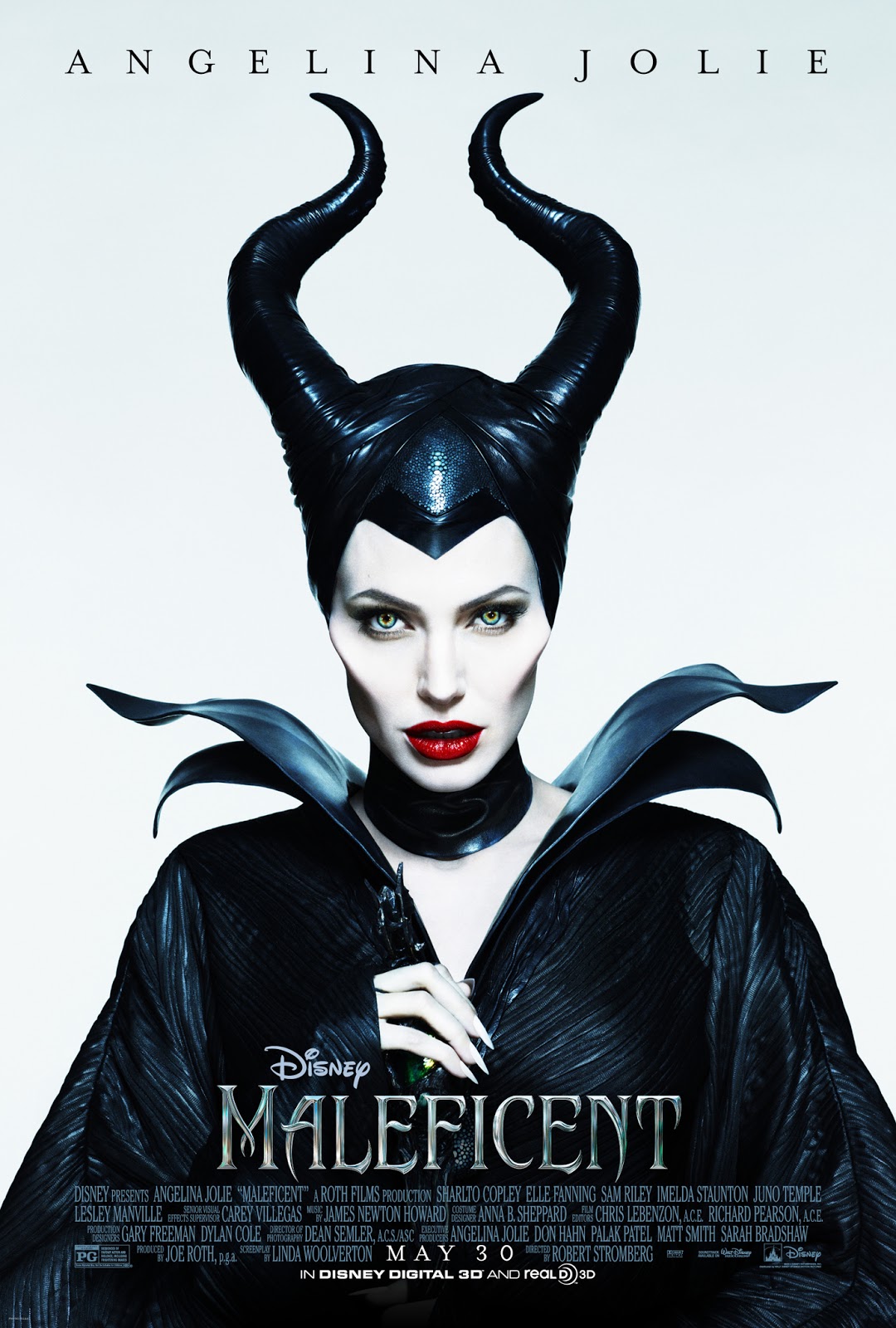
Maleficent (2014)
That this is sort of a stealth playtest for Disney's reprehensible new thing of doing heavily CGI'd "live-action" remakes of their animated properties is just icing on the whole nasty cake of this movie. I suppose I should give the movie credit for at least trying something new with the original story, given that I tend to like revisionist fairy tales. But it's just so lousily put together. The CG is trash, and, more importantly, the revisionist elements feel entirely haphazard, as if they never got past the pitch stage—what if Maleficent's arc is a rape-revenge story? What if we dealt with the whole icky thing of Aurora's "true love" being some rando she met in the woods twelve hours prior? What if fairies and humans are at war, and the humans are the bad guys, because COLONIALISM? What if Maleficent's arc was about surrogate motherhood? Wait, didn't we already have an arc for Maleficent's character? I can't remember, just go with it—hey, I have an idea: what if Maleficent is a scorned lover and is taking revenge on the king? What if they have a cage match at the end of the movie? Is this too much to put into a 97-minute cash-in on one of Disney's most revered properties? What if none of this fits together? Do you think our CG is good enough to stitch it all together in post? Grade: C-


Au Hasard Balthazar (1966)
It's easy to dismiss this film as an exercise in cinematic sadism, and to be clear, it's not not an exercise in cinematic sadism—to watch this film is to be "treated" to 95 minutes of virtually uninterrupted tragedy, often of the most happenstancial kind, human society being cruel for the sake of cruelty. But the specific way that Bresson frames this misery feels subversively profound, too. The choice to make so many of the film's incidents perverse inversions of Biblical narratives is deeply rattling: Balaam's donkey, beaten but denied human speech; the Virgin Mary raped and abandoned. It calls attention to just how much of the Bible's depiction of the Divine is aspirational—how much of a grace note it is for God to intervene on the behalf of the oppressed and how often that feels far divorced from a world in which oppression marches forward unimpeded, not only undeterred by our parochial society raised on the Biblical narratives but in fact spurred on by it. Society, undergirded by our collective Christian morality selectively applied, is both cruel and a fount of misprioritized empathy. Balthazar the Donkey is an expressionless, perfectly blank vehicle for empathy, upon which it is easy for us audience members to wish Christian charity as we see him mistreated time and time again. But human beings: these are not tabula rasa targets for our empathy; they are dirty and grating and weak, and we hate them. This is the film's strongest indictment, evoking one of the most crucial Bible stories of them all: the often-overlooked ending of the Book of Jonah, in which Jonah mourns the death of the vine under which he found shade, while at the same time wishing for the entire city of Nineveh to be destroyed. It's the crux of the film's moral spine: we care about this donkey, for which we neither worked for nor helped grow—should we not care for our own teeming mass of humanity, who cannot tell their right from their left? Grade: B+

Friday, January 6, 2017

Favorite Movies of 2016

I'm running a little behind this year, thanks to a combination of factors that most prominently features my own laziness. So apologies for that. Otherwise, I don't have a lot to say here. Here they are, my favorite movies of 2016, per usual beholden to my usual caveats that 1. "2016" means movies I saw during the calendar year that saw an American theatrical release during the calendar year, and 2. the reliably ludicrous and outdated roll-out model for major releases like La La Land has prevented me from seeing movies I definitely would have otherwise (like La La Land—I'm a little pissed that Knoxville didn't get La La Land soon enough to make this list; can you tell?).

Also, as always, this list was hard to trim down to a neat 10, but either because of an unusual glut of fantastic film in 2016 or just an unusual preciseness in my own watching habits, this year was particularly hard. I could have easily made a top 20 and still dismayed at leaving some on the cutting room floor. But such is the artificially inflicted pain of list-making.

Okay, I'll get on with the list now. Don't forget to tell me your own favorite movies, since this is nowhere near a comprehensive list of good 2016 cinema.

[As with my best 2016 music list, I'm linking to my original reviews for the films, provided I reviewed them. Unlike the music list, I'm writing short blurbs, too. It looked too bare without them.]

Favorite Movies


1. Green Room
It's not like a vicious conflict between urban leftists and rural fascists is in anyway relevant to this year. Nope. Can't see a connection there. Let's say there were a connection, though. This movie might be pretty brilliant, and not just for political posturing; it's the tightest thriller I've seen in years and a phenomenal piece of character drama, to boot. Every death is a blow.

[Read the original review here]


2. The Edge of Seventeen
I can't hype this movie enough. Steinfeld is Oscar-worthy. The characters are miles more human than those in most ostensibly adult-oriented movies. The depiction of adolescent obnoxiousness as an off-shoot of personal tragedy is spot-on. The stakes are perfect. I originally said I should wait for the theatrical high to wear off. Well, it has, and I'll say it still: this is one of the best coming-of-age movies of all time.

[Read original review here]


3. The Nice Guys
Nothing complicated going on here. This movie just makes me laugh very, very hard. Crowe and Gosling make a wonderful odd couple, and Gosling in particular shows a great capacity for physical comedy. It's so funny.

[Read original review here]


4. Kubo and the Two Strings
In a cultural moment that many have come to declare "post-facts," Kubo's message of the ability for story to override reality for both good and evil feels even more incendiary than it would have already. Even better, the animation is breathtaking.

[Read original review here]


5. Lemonade
Yes, I'm counting it as a movie. An awesome movie.

[Read original review here]


6. Moonlight
It's a structural experiment, sure, and a treatise on identity. But in practice, neither of those rather lofty aims end up feeling any loftier than the sand under these characters' feet. The drama of this movie's three vignettes is both profound and grittily tangible.

[Read original review here]


7. Hell or High Water
This movie hits its climax and then just keeps going. Normally, I'd reckon that as a fatal flaw; with a film as whip-smart as this one, though, it's what ends up making it great.

[Read original review here]


8. Eye in the Sky
The only way you'll have a tenser time in a movie this year is if you watch my #1. It's not a "fun" movie, not with its pained ambivalence on drone warfare, but it's a riveting one nonetheless.

[Read original review here]


9. Moana
Moana has a deeper bench of songs than any Disney movie in 20 years, and that's just one of its many pleasures. Really, the whole package is just so sweet.

[Read original review here]


10. Hush
Its "home invasion, but what if she was deaf?" premise should be gimmicky. But the execution is borderline brilliant. My review said that this would be fighting The Witch for the best horror movie of 2016, and, well, look who made the list.

[Read original review]


Appendix: Miscellaneous Movies Also Worth Noting

Other Best Horror Movie: The Witch—But seriously, The Witch is great, and I give it major kudos for committing to the Puritan language and nutso creepy ending.

Best Additional Evidence That This Was Just a Fantastic Year for Horror: Lights Out, Don't Breathe, et al—There were so many good horror movies this year, y'all.

Is It a Movie or a Miniseries? I Don't Know or Care Because It's Incredible: O.J.: Made in America—If I were more confident that this searing dissection of American celebrity and racial politics is a proper movie, it would rest easily at the #1 spot on the list. Instead, here it sits, with nothing to show for its excellence except my full-throated recommendation, regardless of the medium it belongs with.

Best Evolution from Old Fuddy-Duddy: Knight of Cups—Terrence Malick isn't exactly in dire need of update, but after the waifish To the Wonder, this high-concept urban-spiritual tale feels fresh and vital.

Best Same Old, Same Old from Old Fuddy Duddy: Café Society—Look, by this point, you know what you're in for with a Woody Allen movie and whether or not you're going to be into that territory. Me, I'm still loving all the incisive iterations of his stable of pet themes when he's able to craft movies as aching and gorgeous as this one.

Best Portrayal of People I Would Never Be Inclined to Give the Time of Day to in Real Life: Everybody Wants Some!!—Spending two hours with a group of athletes jumping from college party to college party as they try to impress ladies with their cleverness in an attempt to get laid sounds like "Michael O'Malley Repellent: The Movie." But lo and behold, we're instead graced with a funny and compassionate two hours that paints some of the most enjoyably idiosyncratic characters of the year. Willoughby for life!

Best Worst Cringe: Weiner—The most compelling tragedy of this riveting, excruciating documentary is not any of the many scandals that Anthony Weiner invites the camera to record but rather the knowledge that all us 2016 viewers bring to the table, which is that even these scandals aren't the last of the Weiner shenanigans!

Best Poignancy via Farting Corpse: Swiss Army Man—It really is poignant. And it really does feature a farting corpse (not even the most ridiculous this corpse does [cue Jurassic Park theme]).

Best Religious Work: Hail, Caesar!—By this time, I hope the characterization of the Coen brothers as nihilistic snarksters has been long put to rest, and if it hasn't, here comes Hail, Caesar! to try to tuck it in once more. A silly, sardonic movie, to be sure, but once that, like Inside Llewyn Davis and A Serious Man and No Country for Old Men and several more before it, is imbued with a sincere and even desperate quest for meaning within the universe.

Second-Best Religious Work: The Innocents—The Innocents is, honestly, a better movie overall than Hail, Caesar! But it's not better at being religious, settling on more humanist pursuits than the more sublimely focused Coens are. But it's still very good, compelling stuff.

Most in Need of Political Clarity: Captain America: Civil War—In theory, this is a movie about ideologies. But it does so little to flesh out the battling ideas of Captain America and Iron Man that it remains a movie about fists. We do get that kickin' airport fight scene, though, so it's not all a loss.

Best Eyeball: The Neon Demon—You'll know it when you see it.

Best Eyeball, Runner Up: The Lobster—You'll know it when you don't see it.

The "I Can't Believe I Haven't Talked About This Movie in This Post Yet" Award: Arrival—So very good. So very exploitative of linguistic theory. And here it is at the bottom of this post.

Best Non-2016 Movie I Saw For the First Time in 2016: Malcolm X—My original review gets at it best, but I haven't been so profoundly shaken by a movie since... well, I guess since I saw Make Way for Tomorrow last year.

Gotta stop sometime, so I might as well stop here. But I do so reluctantly! 10 Cloverfield Lane, Louder Than Bombs, Rogue One, Finding Dory, both Werner Herzog docs, Imperium, The Shallows, Love & Friendship, and like a bazillion other good-to-great movies from 2016 are still left unacknowledged. 2016 was a super solid cinematic year, and I'm sure all y'all out there have your own favorites that lie similarly neglected. So chime in! I'd love to hear from everyone.

Until next time!

Sunday, February 14, 2016

Whatcha Doing?: Mini-Reviews for Feb. 8 - 14, 2016

Hi, everybody. You know what I don't like? That I let this blog sit dormant for so long during the school semesters. So, an idea: I'm going to try to leave weekly posts with mini-reviews of the various pop culture that I've watched/listened to/read that week. I need to emphasize the word try, since it's altogether likely that I won't be able to keep this up. But let's hope for the best, shall we?

What I'll actually be reviewing will depend on what I end up getting to in a given week. The bulk of that's going to end up being movies, since movies are the culture that I interact with most consistently: they take at-most three hours a piece, and with stuff like Netflix and the library, they're easy to get in large quantities at little cost. Those reviews will probably be adaptations (or straight-up copy-paste affairs) of my blurbs from my Letterboxd account, where I usually log my watching. You're welcome to peruse that profile; what I'll be doing here is curating what I think are my most interesting encounters. As for the rest of the media, I'll still be reading books, listening to albums, watching TV, etc., but since those generally take me longer to process than a movie, they probably won't crop up as frequently. Case-in-point: this first week, which has four movie reviews, one album review, and nothing else.

Anyway, I don't anticipate any of these reviews being amazing or mind-blowing or life-changing. It's just my way of getting some writing done on this blog every week. Guess we'll see what happens. As always, please don't hesitate to share your opinions about anything here! Onward!

Movies

Sicario (2015)
It at first seems like the boring wannabe version of Zero Dark Thirty before becoming a subversion of the boring wannabe version of Zero Dark Thirty. Honestly, I probably need to give it another viewing--the last forty-ish minutes add so much interesting texture to the psychology and philosophy of the film that it might prompt a reevaluation of that opening 2/3. But for now, I'm calling this only 1/3 of a good film, though it's a darn good 1/3. Grade: B


Hail, Caesar! (2016)
The Coens' most religious film since A Serious Man, which is a very, very good thing. Although the ending makes an attempt at waving away the metaphysics as so much existential ephemera, there's such an emotional depth to Josh Brolin's lead performance (the best of his career, I'd say) that I'd say the overall take on religion is less the smart-alecky sneer you might expect and more of a melancholy "would that it were so simple." But don't come for the religion—it's really just one flavor to relish in what is also in turns a deft political farce, a hysterical screwball comedy, and an excited recreation of classical Hollywood fluff. It really is funny, I promise. Grade: A-


The Diary of a Teenage Girl (2015)
There are moments here that are some of the most well-observed in recent coming-of-age movie history. And then there are some moments that are absolutely horrifying—call me a prude, but I'm dubious of the premise that teen cocaine habits and a series of terrible hookups are so simply boiled down to stepping stones on the path to becoming a better person. Still, kudos on this film for the forthright, compassionate take on teenaged female sexuality, not to mention how Bel Powley delivers what is without a doubt one of the finest performances of 2015. So overall, I'll call it a win. Grade: B


The 36th Chamber of Shaolin (少林三十六房) (1978)
This movie is like 75 percent training montage, which means that it's at least 75 percent awesome. I'll admit to finding the opening act a little tedious, but once you get to Shaolin, it's all gravy. Plus, you can't argue too much with a film in which the villain meets his demise via headbutt to the groin. Grade: A-


* * *

Music

Savages - Adore Life (2016)
Outside of the vicious opener and best-in-show song "The Answer," the songwriting is not quite as punchy as this post-punk band's exciting debut. In return, though, the band is exploring some of the more interesting corners of their sound, delving deep into the noisier, even metal fringes that made their debut a bit more interesting than your garden-variety post-punk revival. This sophomore release is a slower, stranger, more meditative record, and that's cool. I like Siouxsie and the Banshees and Sunn O))) in about equal measure, meaning that I'm only familiar with one album of theirs apiece. Good stuff. Grade: B+

Monday, December 30, 2013

Favorite Movies of 2013

The list-making continues! My post for my favorite music of 2013 went over pretty well (in fact, it became the most viewed post yet on this blog; thanks for that!), so I thought I'd continue to contribute to the Internet's year-end obsession with lists. This time: my favorite movies of the year.

It's been kind of funny keeping up with the critical conversation of cinema in 2013. If you look back to June, July, and August, it seems like all anyone was talking about was how broken the current Hollywood system is, the emptiness of this year's plate of blockbusters, the suppression of unique vision in American cinema, the overemphasis on foreign marketing, etc. Even well-respected industry veterans bemoaned the state of film in America. But come mid-autumn, something changed. Well, actually, I'm not sure anything really changed—the Hollywood system, I assume, is still as problematic as ever—but what did happen was that a whole lot of good movies started hitting theaters, and now, you don't have to look too hard to find people calling 2013 one of the best years for movies in recent memory.

I don't think I ever got quite as cynical about the future of cinema as some professionals did, but I am still pleasantly surprised at how great a year for movies this one turned out to be (although I'd say 2010 and 2007 have it beat, as far as "best in recent memory" goes). Considering all the fantastic films that came out this year, it was really hard to narrow this list down to a Top 10, so I've added an appendix of sorts to recognize other noteworthy movies from 2013—because what pop culture list couldn't benefit from being a little longer, right? As always, if you disagree with me, I'd love to hear about it. I've said it before, but the most valuable thing about lists like this one is not the ranking itself (which, after all, is a kind of silly thing to do) but the discussion to come out of the ranking. So please feel free to post your own lists in the comments below or on Facebook or wherever. I'd love to hear from y'all.

Two more things before the actual list—first: the movies I considered for this list are ones that had a theatrical release in the US during 2013. That means a few movies here might have actually been released in 2012 but didn't reach America until this year. Second: unlike music or literature, it is actually technically possible to see every theatrical release in a given year; however, I didn't, so there are several movies out there that probably would have made this list had I gotten to see them. The two I'm primarily thinking of are 12 Years a Slave (semester got busy, then I couldn't find it in a theater) and Her (don't even get me started on how frustrated I get about movies that don't get wide releases in the same year that they're up for awards), but I'm sure there are others out there I would have enjoyed—All Is Lost, Frozen, Captain Phillips, Dallas Buyers Club, Short Term 12, and The Spectacular Now spring to mind already, not to mention the host of blockbusters I haven't caught up with yet (Star Trek: Into Darkness and Thor: The Dark World, to name a couple). I know there's technically still a day left in the year, but it's not looking like I'll be able to get out to see anything else, so I figured I'd just go ahead and publish this list now. Let me know if I missed something else awesome.

Now, the movies!

Favorite Movies

1. Before Midnight
Since the release of Toy Story 3, I've contended that the Toy Story movies are the best film trilogy of all time. And while I'm not exactly reneging on that idea just yet, the Before... movies are giving Pixar a run for its money. Part of what's so revelatory about Jesse and Céline's story is that each successive installment has a way of making the previous movies feel incomplete without it. Without Before Sunset, Before Sunrise is just the story of a coincidence, not the beginning of a majestic love story. Now, with the hindsight of Before Midnight, the previous two become blindly romantic (albeit masterfully crafted) fairy tales. Throughout its often harrowing 109 minutes, Before Midnight picks apart every little bit of idealism in its predecessors, forming a stunning depiction of two people as broken as any of us.


2. Gravity
If nothing else, Gravity wins the award for most stressful movie of the year, and by a considerable margin. But this isn't a nothing-else situation. Gravity is an embarrassment of cinematic riches, from the masterful use of CG effects to the swooping, inventive camerawork to the primal man-vs.-nature story that, despite the space-age setting, feels ancient, almost mythic. People have complained that the movie skimps on character development (and even I'll grant that the movie cheats majorly at one point near the end), but I don't really think character is the point, not in a modern sense. Sandra Bullock's character is more reminiscent of Gilgamesh or Odysseus than Ellen Ripley, fighting erratic gods in order to say something sweeping about humanity. Oh yeah, and it's also great blockbuster entertainment.


3. The World's End
Though not quite as funny as Hot Fuzz or Shawn of the Dead, The World's End is, for my money, the most mature, thematically rich, and flat-out best of the Edgar Wright/Simon Pegg "Cornetto Trilogy" (though to be honest, I didn't know the trilogy had that name until just recently, and I didn't know "Cornetto" was ice cream until even more recently—shame). But don't take "not as funny" to mean "not funny at all"; The World's End is often hilarious, with jokes that are at once silly, meticulously constructed, and satirically sharp. It's just that more than any of the previous Cornetto entries (and probably more so than any Wright creation, save maybe a few episodes of Spaced), The World's End focuses on the brokenness and misery of its characters. And it's all the more powerful for it.


4. Stoker
I've never seen Oldboy (neither the original nor this year's Spike Lee remake), but if Stoker is any indication of director Park Chan-wook's visual flair and twisted, twisted sense of humor, I should seek out Oldboy pronto. Stoker is a movie unhinged in the best way possible, completely mesmerizing in its over-the-top gothicness and self-aware cinematographic antics. The big hooks here are the camera work and editing, which are immaculate and darkly witty. It's the kind of film Alfred Hitchcock would have made if he'd survived into the post-Tarantino film world, form and function meeting seamlessly. The style and overall grisliness may not be for everyone, but for those of us who can dig it, it's a great ride.


5. Inside Llewyn Davis [1]
One thing Joel and Ethan Coen don't get all that much attention for is their use of physical humor (especially in their existential works, a category in which this film totally fits), but one of the many pleasures of Inside Llewyn Davis is that it's a great showcase of their talent for wringing comedy out of subtle physical interactions. The scenes with the cat, of course, are wonderfully choreographed bits reminiscent of old Disney shorts, but even beyond that, John Goodman, "Please, Mr. Kennedy," and so on provide great gags. What's even greater, though, is the emotional sincerity that comedy services. People rag on the Coens for being detached, but this film, along with their last feature, True Grit, seems to indicate a new period of emotional forthrightness for these guys. I'm cool with that.


6. American Hustle
Saying that "some of this actually happened" is probably the best way possible to introduce writer/director David O. Russell's latest film (or really, any "based on a true story" movie). Thankfully, that's exactly American Hustle's claim in its opening title card, preemptively dodging the tiresome trend of fact-checking every movie with any semblance of realism (an astronaut vouches for the realism of Gravity! Real-life PK finds Carrie highly inaccurate[2]!) while also announcing the film's commitment to both farce and "hey, this is kinda like real life" observationalism. And make no mistake: this is a farce. I mean that in the best way possible. Some have called it "Scorcese-lite," but that assumes a straighter face than American Hustle ever wears. Most of the movie is for yucks. And what yucks they are.


7. Frances Ha
If you're into the "indie" corner of the film world at all, you've seen this movie before: over-educated twentysomethings wandering NYC aimlessly, afflicted by ennui and the crushing burden of being sophisticated white people in the cultural center of the United States. If I'm being a little snide, that's only because the movie itself is a little snide. Several moments in Frances Ha (the "Everyone's a Winner" montage; the "you aren't poor" interchange) are refreshingly self-conscious about the shortcomings of its characters in a way that this sort of movie usually isn't. What makes Frances Ha a winner, though, is that it balances out this self-critique with a warm sense of humor and a sincere affection for Frances, despite her flaws. It's a movie deft enough to have both biting honesty and a beating heart at its core.


8. In the House (Dans la maison)
Remember the end of Atonement? Well, imagine that stretched into a full-length movie told by way of Stephen King's novella "Apt Pupil," and you'll have a pretty good idea of the kind of experience you're in for with In the House. What at first seems to be a critique of the French educational system quickly morphs into something much stranger, an exploration of the nature of literature and the relationship between author, audience, and art. It's at once a thriller, a black comedy, and a (sometimes) tender character study that never ceases to be inventive and insightful.


9. Monsters University
Reports of Pixar's demise are greatly exaggerated. While the studio's recent abundance of sequels in current and future projects is troubling in the abstract, as long as they keep making movies with the grace of Monsters University, we shouldn't be in too much trouble in practice. Look, I'm just as much of a fan of Pixar's more showily daring movies as the next guy (WALL-E and Up are awesome), but there's something to be said for their more accessible features. Scratch that; labeling Monsters University as "only" accessible or family-friendly sells it short and ignores how the movie is quietly daring in its own way. I've already talked about that idea at length, so I won't belabor the point. Just go see MU if you haven't. It's quite good.
 

10. Drug War (Du zhan 毒戰)
My exposure to non-English-language movies is sadly lacking, and my exposure to non-Western, non-English-language movies is even worse. So it's a happy coincidence that the only new non-Western, non-English-language movie I saw all year turned out to be one of the best films I saw all year, period. Drug War is a tight thriller about the policing of the drug trade in China. I don't know enough about Chinese crime to have anything intelligent to say about the social commentary this movie engages in (see again: my embarrassing lack of exposure to the non-Western world), but what I do know is this: it's exciting, smartly paced, thought-provoking, and fun in that meat-and-potatoes way of the best crime thrillers.


Appendix: Miscellaneous Movies Also Worth Noting

Favorite Movies, Documentary Division: Stories We Tell and Cutie and the Boxer—By all accounts, it was a great year for documentaries, too, and I'm bummed I didn't have room in my Top 10 to recognize any. So, lest they be ignored, here are two documentaries from this year that I enjoyed. Coincidentally, they're both observant, sensitive examinations of the intersections between storytelling and family relationships, and not so coincidentally, they're both very good. Harder, more journalistic documentaries came out this year, but these two were the most beautiful ones I saw.

Best Action in an Action Movie, Runner Up: Pacific Rim—Honestly, this award should go to Gravity, but since that's already getting glory aplenty at #2 up there, I thought I'd give a shout-out to Pacific Rim, which is a blast in its action sequences.

Best Non-Action in an Action Movie: Iron Man 3—The action is okay, but where Iron Man 3 really shines are the long, actionless stretches where the characters are just hanging out, shooting the breeze. It's fun, and some of the best character work in the Avengers-connected Marvel movies.

Biggest Surprise: The Hunger Games: Catching Fire—I liked the first Hunger Games movie okay (and even thought it was an improvement over the book it was adapting), but the bland competence of the first movie did nothing to prepare me for how immensely entertaining and just plain good its sequel would be.

Best Use of Outer Space, Runner Up: Europa Report—Gravity wins again. But really, Europa Report does a fantastic job of capturing an austerity and mystery that (I imagine) space instills in those who travel through it. Found footage has been overdone (and this one isn't without its shortcomings—lookin' at you, ending), but for fans of golden-age sci-fi, Europa Report is worth a look. 

Best Sci-Fi, Non-Space Division, Incomprehensible Division: Upstream Color—It's not as hopelessly confusing as Shane Carruth's other feature film, Primer, but I'd be lying to you if I said I understood everything about UC. That's not a bad thing, though. Like Primer, a lot of the power of this movie comes from the feeling of letting go, of allowing the narrative complexity wash over you. It's also like a thousand times better-looking than Primer, which makes the washing-over that much more beautiful.

Movie That Most Benefits from Being Based on True Events: The Bling Ring—Sure, The Bling Ring is beautifully shot, has a few killer scenes, and is generally well-made. But the thing I find most engaging about the movie is that people actually did this!! Maybe I'm more star-struck than I should be, but the absolute craziness of a bunch of bored teenagers robbing celebrities blind and the celebrities not noticing (!) feels more at home in satire than real life. But lo and behold, it's real, y'all [3].

Movie Almost Ruined by a Secondary Character: The Kings of Summer—Moisés Arias's character was so gratingly absurd and out-of-place in this otherwise winsome coming-of-age dramedy.

Movie I Want to Like More Than I Do: The Place Beyond the Pines—It's complex and interesting and sophisticated, but darn it all, it seems like every time I'm getting into it, the film switches gears, and I lose it.

Worst Use of a Director's Worst Tendency: Terrence Malick's To the Wonder—So. Many. Voiceovers.

Great Job, Michael Cera! Award: Crystal Fairy—I really didn't like this movie at all, but hopefully Michael Cera's utterly fearless turn as a douchey drug tourist will finally put to rest the misconception that he can't do anything besides pretend to be George Michael Bluth [4]. It's a phenomenal performance in a film that didn't sell me on anything else.

Great Job Yet Again, Jessica Chastain! Award: Mama—A pretty good horror movie with two great things going for it: first, it realizes that most great horror stories are really just great tragedies, and second, it stars Jessica Chastain. Her breathtaking work in last year's Zero Dark Thirty should have cemented her status as a legitimately great actress, but if you needed any more proof, look no further than Mama.

Pi Award for Bizarre but Oddly Compelling Black and White Movie About Early Computing: Computer Chess—It's a weird one, for sure, but if you can get on its level, it's a hilarious and kind of sweet exploration of intersecting fringe groups. Plus, for nerds like me, all that old computer technology is super nifty to look at.

Best Non-2013 Movie I Saw for the First Time in 2013: His Girl Friday—This movie is so good, I'm legitimately sad I can't experience it again for the first time. Comedy sometimes doesn't age well, but this one certainly did; that it has some of the most virtuosic dialogue I've ever seen in a movie no doubt helps.

That's all I've got for now. Don't forget to disagree with me.

Until next time!

1] If anyone's curious how Inside Llewyn Davis ranks in my previous rundown of Coen brothers movies, I'd put it squarely in the middle, right between Raising Arizona and A Serious Man. It's a testament to the ridiculously deep nature of their filmography that I have to put a movie as good as Llewyn Davis so low.

2] Unfortunately, this one's a fake. Real PKs never reveal the secrets of their trade!

3] Part of me also feels exceptionally cloistered for not hearing about the robberies when they happened in '08 and '09. And another part of me feels kind of bad for being this excited about theft. Maybe I should stop criticizing those "Team Walt" Breaking Bad fans.

4] Even George Michael Bluth didn't act like George Michael Bluth this year. His transformation into a half-hearted Bluth-douche was one of the funnier things about this year's new Arrested Development (a season which I liked quite a bit, by the way). Perhaps Mr. Cera has found his new niche.

Thursday, October 17, 2013

Ranking the Coen Brothers' Films

I consider Joel and Ethan Coen to be two of the greatest living filmmakers. I've been a fan of theirs since I first saw O Brother, Where Art Thou?, but it was only recently that I finally finished out their filmography—thanks for adding Intolerable Cruelty, Netflix Instant! To mark this occasion (and to anticipate the coming release of  Inside Llewyn Davis, which is already picking up some acclaim from its trot 'round the festival circuit), I've decided to get all self-indulgent and list the Coen brothers' movies from least to greatest. To be clear, I like every one of these movies, but not all Coen movies are created equal.

First, a note of definition: by "Coen movie," I mean a movie that is both written and directed by the Joel/Ethan team. Gambit, The Naked Man, and Crimewave all have writing credits by one or both of the brothers but were not directed by either of them, so I've excluded these films. I also only considered feature-length movies, so don't look for any short films on this list.

I have a lot to say about some of these movies and a little less to say about others (weirdly enough, the ones I like the best I have the least to write about). If I snub a film or say too little about a favorite of yours, don't hesitate to add to the discussion in the comments. I've said elsewhere that I think lists are great for stirring up conversation, so now that the ideas have been stirred, let's get to conversating!

Alright. Without further ado, the list.

Edit (3/5/2014): I've update this list to now include Inside Llewyn Davis, with a description taken verbatim from my Favorite Movies of 2013 post. I'll probably do the same thing for future Coen films. Note to self: don't do career-spanning retrospectives of people before the careers of the aforementioned people are over.

Edit (11/12/2017): I've decided not to update this list until the Coens either die or retire. Then I'll revisit when I can have the full spectrum of their career to examine.

16. Intolerable Cruelty 


Three movies share the reputation for being the "worst" Coen brothers movie: Intolerable Cruelty, The Hudsucker Proxy, and The Ladykillers. But really, calling these movies the "worst" is more a statement on the greatness of the rest of the Coens' movies than an indictment of these three, because they're actually pretty good, albeit flawed (and I happen to think one of them is borderline-great, but we'll get to that in a minute). As is obvious from its placement on this list, though, I think Intolerable Cruelty is the most flawed, though that doesn't mean it's bad. Catherine Zeta-Jones gives a bland performance as an already bland femme fatale character, and the dialogue is a little limp (probably because Joel and Ethan revised an existing script rather than creating something entirely of their own). Also, as is the case with many Coen comedies, the ending gets a little too loud and zany. But dwelling on these flaws does Intolerable Cruelty a disservice. By and large, it's an entertaining, joyously dark satire of modern marriage with lively non-Zeta-Jones performances. It may never reach the heights of some of the other movies on this list, but separated from the prestige factor of its writer-directors, it's a pretty fun way to spend 100 minutes.


15. The Hudsucker Proxy 


The Hudsucker Proxy is two-thirds of a much better movie. Lest I sound too hard on the film a few sentences from now, let me point out just a few of the many wonderful things about it. The camerawork, for one: it's clever and energetic in a way that cinematography in Coen brothers movies usually isn't (the hula hoop montage gets a lot of well-earned acclaim, but almost every scene sings with playful, punny camera movement). Then there's the farcical depiction of upper-level corporate dealings, which walks just the right line between dark and silly. And the film's screwball dialogue is one of the Coens' most accomplished executions of their love for paying tribute to old-Hollywood styles; Jennifer Jason Leigh is is the MVP here, delivering that dialogue with a spot-on pastiche of '40s-era movie wisecracking. Yet the elephant sitting atop the slight but otherwise pristine Hudsucker is its ending, which introduces an out-of-nowhere fantasy element that threatens to topple the whole enterprise. If you've seen it, you know what I'm talking about. It's a contrived twist that's only interesting for how it foreshadows the use of semi-mythical, omniscient characters in future Coen films like The Big Lebowski and O Brother, Where Art Thou? But, as with Intolerable Cruelty, you'd be missing out on the film's numerous pleasures by getting too caught up in the flaws.


14. Blood Simple 


Blood Simple
is the first movie the Coen boys wrote and directed together, and it's astounding how accomplished a debut it is. That this one ranks so low is probably my fault. Blood Simple is one of the last Coen movies I saw, and consequently it feels a lot more by-the-numbers to me than it would have to its original audience in 1984. So I really shouldn't fault the film for that. It's a tense thriller with engaging character work and just a hint of black comedy, and on those terms, it's a smashing success. But after seeing the later Coen thrillers, Blood Simple's morality tale of revenge and greed can't help but feel like a test run for the more ambitious likes of No Country For Old Men, Miller's Crossing, and Fargo. Still, if retroactive familiarity is a movie's only flaw, you've still got yourself one doozy of a movie.

13. The Ladykillers


One of the chief pleasures of most Coen brothers films is the aural spectacle of highly talented actors chewing up eloquent dialogue with hammy regional accents. We do a lot of intellectualizing when it comes to output of Joel and Ethan, but there's not really nothing too intellectual about the doancha-noing of Frances McDormand in Fargo or O Brother, Where Art Thou?'s sumbitching Charles Durning; it's just plain fun, and it turns the Coens' already acrobatic dialogue into something carnival-esque and, at its most giddy, reminiscent of Dr. Seuss. I write all this to point out that The Ladykillers is, alongside True Grit and the two aforementioned films, one of the brothers' best uses of this unique pleasure. There's just something mesmerizing about seeing Tom Hanks spin his dialogue in that Southern gentleman's accent, for instance, or any of the other actors at work within their various nooks of the Southern dialect. That isn't to say that the dialect is the only thing to recommend about The Ladykillers. It's a clever little heist comedy with a wicked sense of justice and a rich treatment of setting (which the T-Bone Burnett-produced gospel soundtrack accentuates gorgeously). As I've said, this movie has a reputation for being the Coen brothers' worst, a failed attempt to remake an older, already well-regarded film of the same name, and since I haven't seen the original, I have no way of knowing how much of the good in this movie comes from the original. To be sure, there are some missteps (the less said about J.K. Simmons's IBS, the better), but on the whole, I find it to be an engaging, albeit minor, entry in the Coen filmography. It's also notable for lacking the shrill, madcap finales that plague the endings of most other Coen comedies, which earns it a few more brownie points in my book.

 
12. Burn After Reading 


Here's a fun one. There's a ton to enjoy about Burn After Reading, the Coens' most successful execution of pure satire, but what's most remarkable to me is how much the potency of that satire has strengthened in just this year alone. In light of all the NSA goings-on in 2013, it's tempting to view Frances McDormand's character as an anachronistic spoof of Edward Snowden and the omniscient-yet-lazy government surveillance bumpkins as NSA stand-ins. Since the movie came out mid-2008, it's pretty clear the Coens meant Burn After Reading to be a Bush-Era commentary (and it works wonderfully as such), but if the shoe fits...


11. Fargo 


First impressions, man. They'll get you. The friend who first recommended Fargo to me told me it was a comedy, so I went into this decidedly dark, only-funny-if-you-squint movie looking for punchlines and slapstick in the vein of Raising Arizona or something. And to be fair, there's quite a bit of slapstick, even in the grizzled, leg-in-the-wood-chipper finale. But (if the whole "leg-in-the-wood-chipper" phrasing didn't already clue you in) all of it is buried under a very grim, very frosty (both literally and emotionally) morality tale chock full of ruminations on mortality, greed, and general human fallibility. Needless to say, Fargo caught me completely off-guard when I first saw it. In subsequent viewings, I've come to recognize the brilliant touches that endear it to so many film buffs—and don't get me wrong, it is brilliant—but I've never been able to shake off entirely my initial instinct to call it the sickest comedy I've ever seen.


10. The Big Lebowski 


Let me get this out of the way up front: I think The Big Lebowski is a tremendously uneven film. More so than any other movie on this list. Subplots overstay their welcome by several scenes (the porn ring, anyone?), and the whole enterprise feels about as shaggy and lopsided as The Dude himself.  But as with most movies that have accrued as much cult fandom as this one has, the worth is the details, not the overall production. And those details... well, they really tie the room together, so to speak. The bowling league. The nihilists. The carpet. And those quotes—the scores of jokes, non sequiturs, and one-liners to enter the popular lexicon. Given the strength of almost every Coen screenplay, it's no small feat that The Big Lebowski is the most quotable film on this list. Fun comments thread: what's your favorite Big Lebowski line? My pick: the Dude's immortal response to Jesus's bowling threats (and my go-to comeback to any criticism this list might generate)—"Yeah, well, ya know, that's just like your opinion, man."


9. Raising Arizona 


What I think sometimes gets lost in the whole "Nicholas Cage sure is a wacko" internet obsession is the fact that he's actually a pretty funny guy (maybe even funny enough to be cognizant of how ridiculous his own acting choices seem), and Raising Arizona is a great showcase for him. Of course, he's not the only thing carrying this movie. Holly Hunter gives a hilarious performance herself and, more importantly, imbues her role with a kind of naked pathos not normally found in the often-austere world of the Coen films. Mix that with a few classic John Goodman-infused escapades and some of the most kinetic scenes in Joel and Ethan's career, and you've got yourself a pretty great movie.


8. Inside Llewyn Davis


One thing Joel and Ethan Coen don't get all that much attention for is their use of physical humor (especially in their existential works, a category in which this film totally fits), but one of the many pleasures of Inside Llewyn Davis is that it's a great showcase of their talent for wringing comedy out of subtle physical interactions. The scenes with the cat, of course, are wonderfully choreographed bits reminiscent of old Disney shorts, but even beyond that, John Goodman, "Please, Mr. Kennedy," and so on provide great gags. What's even greater, though, is the emotional sincerity that comedy services. People rag on the Coens for being detached, but this film, along with their previous feature, True Grit, seems to indicate a new period of emotional forthrightness for these guys. I'm cool with that.


7. A Serious Man


In terms of tone and execution, A Serious Man is of a piece with Coens' earlier work on Barton Fink. Both films are heavy on the existential dread, the tragicomic absurdity of life, and out-of-left-field forays into free-associative symbolism. Both end abruptly on moments that are at once beautiful and profoundly discomforting. Both feature male protagonists unable to motivate themselves to take action. A Serious Man frees itself from being Barton Fink 2 in two ways: 1) Whereas Barton Fink was all about the trials of the writing process, A Serious Man is concerned with the Coens' own Jewish heritage. Replete with references from the Old Testament and Hebrew tradition, it's a poignant examination of the Chosen People's history. 2) A Serious Man has some killer musical cues. This side of the Summer of Love, Jefferson Airplane never sounded so profound.


6. Miller's Crossing 


What's remarkable about Miller's Crossing is that there's really nothing remarkable about it. Don't take that to mean that I don't think it's a good movie; it is a very good movie (just look at where it is on this list!). But at far as Coen films go, it doesn't really have too many quirks to distinguish it from other notable entries in the brothers' catalogue. Miller's Crossing feels like the kind of movie these guys can make in their sleep. Early-twentieth-century period setting? Check. Crime thriller plotting? Yup. Hints of black comedy? For sure. Razor-sharp focus on the psychological/existential ramifications of the plot on an insecure individual? Definitely. Realist cinematography with art-house flourishes? It's all here. Really, Miller's Crossing ranks so high on this list by the sheer brute force of its craftmanship. It's just so ridiculously well-made. No gimmicks—just a pair of auteurs working within a formula and doing everything absolutely right.


5. The Man Who Wasn't There


The term "film noir" gets thrown at just about every Coen movie that isn't a comedy (and even a few that are). But, to paraphrase Charles Shulz, of all the film noirs in the Coen world, The Man Who Wasn't There is the film noiriest. It's at least the one that most nakedly pays tribute to the form. From the black-and-white cinematography to the world-weary voiceovers, the movie has a clear precedent in films like The Maltese Falcon, and it doesn't take too much of an imagination to envision the plot as taking place in some alternate universe where Sam Spade has decided to take up hair styling instead of sleuthing. The Coens take the isolation and nihilism inherent in the genre and turn them up to 11, making it their second-best exploration of a character's psyche (stay tuned for #1).


4. True Grit 


In some circles, the Coen brothers' films catch a lot of flak for being emotionally sterile and lacking empathy for their characters. I won't argue that, say, Fargo or The Ladykillers is a shining example of compassionate filmmaking, but True Grit is definitive proof that Joel and Ethan are indeed capable of emotional investment. This may be an odd thing to prove in a movie so grounded in amiable caricature (exhibit A: Matt Damon as LeBoeuf) and hang-'em-high vengeance. Two things sell the sentimentalism, though: the unironic use of piano hymns to score the film, and Hailee Steinfeld's stunning turn as Mattie Ross. The movie uses the inherent innocence of church music and childhood to tackle with vulnerability the emotional toll of revenge, something other Coen movies only give sidelong glances to. Mattie's snake bite and her subsequent flight home at the movie's end may be the most sincere moment in the Coen filmography, and boy, is it moving.
(P.S. For those who are curious, I think this adaptation tops the original film, though I prefer the meta-performance of John Wayne's self-parody/-tribute over Jeff Bridges's more ragged take on Rooster.)


3. No Country for Old Men


Okay, from this point on, it's pretty much a toss-up. I thought about ending the list in a three-way tie, but then decided that violated the premise of list-making, so here we go. The ordering of these top three slots represents my feelings about these three movies at the moment—ask me tomorrow, and I may rank them completely differently (or at least as differently as three different movies can be arranged—a whopping three distinct combinations, if my half semester of high school stats serves me well).

A lot of ink has been spilled over No Country For Old Men, so I'm not going to even try to say something insightful; Roger Ebert once called it a perfect film, and if that's an overstatement (what exactly does "perfect" mean, anyway?), I won't be quick to correct it. It is by far the most accomplished of the Coens' many crime thrillers, a chilling and utterly profound examination of the nature of evil and justice with impeccable casting and edge-of-your-seat pacing. I'll stop with the pull-quote fodder for now and move on to movie #2, but first: how did it take so long for the Coens to adapt a Cormac McCarthy novel? Seriously, y'all, great match.


2. O Brother, Where Art Thou?


You can divide the Coen brothers' movies into three broad categories, many of which I've already alluded to in this post. There are the crime thrillers: Miller's Crossing, No Country For Old Men, The Man Who Wasn't There, Blood Simple, Fargo; the existential comedies: Barton Fink, A Serious Man, The Hudsucker Proxy, The Big Lebowski, The Man Who Wasn't There (again); and the slapstick comedies: Intolerable Cruelty, Burn After Reading, Raising Arizona. The Ladykillers and True Grit are kind of hard to classify because of their being remakes and not autonomous works, but the real outlier here is O Brother, Where Art Thou?, the loose adaptation of Homer's Odyssey. On the one hand, it shares some of the rambunctious DNA of the slapstick comedies, but it's so exuberant, sincere, intricate, allusive, and insightful that it's hard to lump it in with something like Burn After Reading. For sure, it's a very silly movie at times. Even at its silliest, though, it's a rich experience, both aesthetically and thematically, flourished by T-Bone Burnett's gorgeous soundtrack. That makes the movie sound academic (kind of like one would expect an adaptation of a Greek epic to be); it's not, though. It's just deeply human unlike anything else Joel and Ethan have done—which, darn it all, also makes it sound academic. It's awesome, though. I promise. 


1. Barton Fink


It's been a long list, so I'll get to the point: Barton Fink is a masterpiece. You'll laugh; you'll cry; you'll be thankful John Goodman doesn't show up to take care of your own bouts with writer's block. Maybe it's because I'm a writer who enjoys the depiction of the creative process. Maybe it's because I'm a writer who feels about as pathetic as Barton ninety-eight percent of the time. Maybe it's this scene from The Simpsons. Whatever the case, I find Barton Fink incredibly funny, personal, and discomforting in the best way possible. Seriously, if you haven't already, go see it.

Actually, scratch that; go see all the Coen brothers' movies. Thanks for reading, folks!

Until next time.